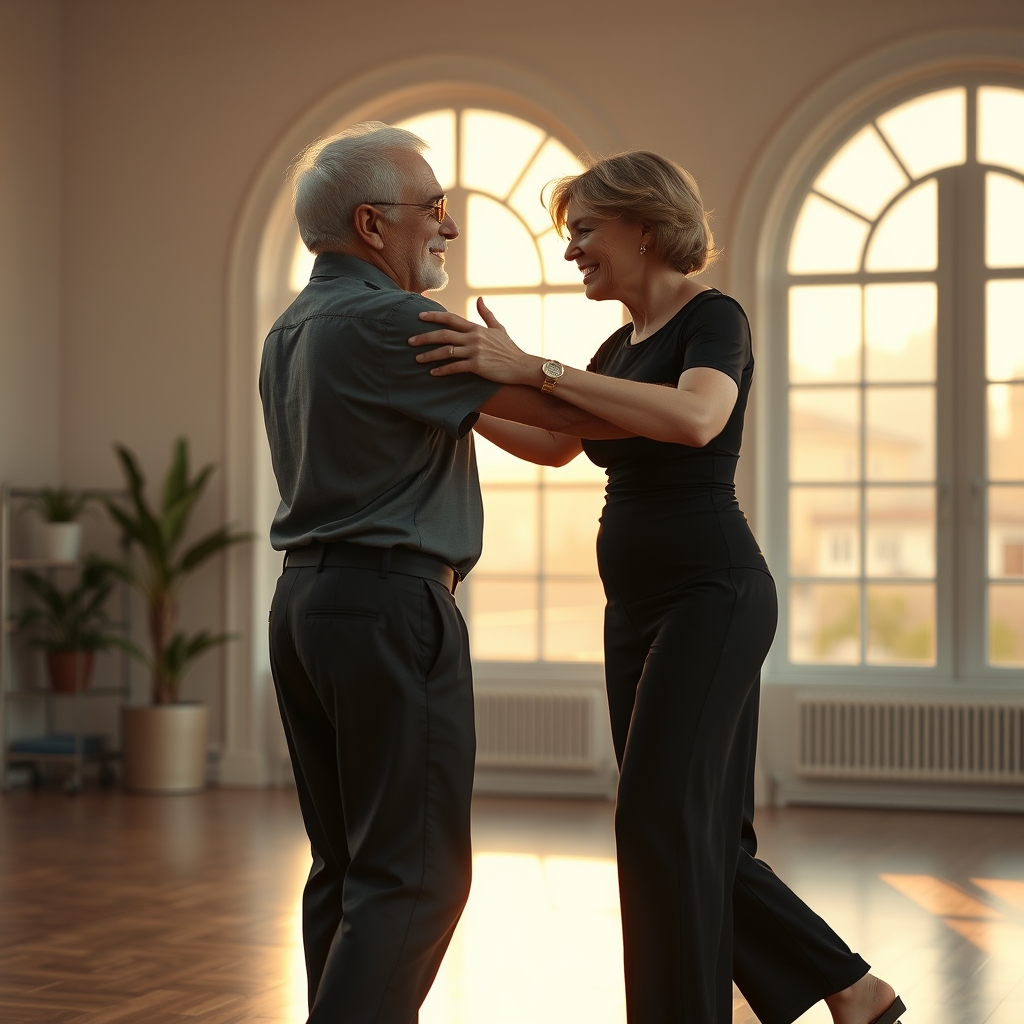
In the quiet recesses of the soul, where the body sometimes falters, what if a melody could guide us back to grace? Imagine a world where the intricate steps of the tango, that dance of profound connection and intricate rhythm, offer a tender hand to those navigating the complexities of Parkinson’s disease. It’s not merely a dance; it’s a testament to resilience, a powerful form of **tango therapy** emerging from the heart of Argentina, helping individuals reclaim their balance, their fluidity, and a measure of their lost self.
This ancient, passionate art form, born from the streets of Buenos Aires, is finding a new, profound purpose within the walls of hospitals. It’s a beautiful paradox: a dance often associated with fiery romance now serves as a gentle, yet potent, therapeutic tool. Each carefully measured step, each shared embrace, becomes a beacon of hope for those grappling with the daily challenges of a neurological condition.
The Poise of the Embrace: Reclaiming Balance
For those living with Parkinson’s, the ground beneath their feet can sometimes feel treacherous, a constant whisper of instability. Yet, within the structured embrace of the Argentine tango, a new sense of grounding begins to bloom. The leader’s firm yet gentle guidance, the follower’s attentive response, creates a shared axis, a communal center of gravity.
This shared journey through space inherently demands an acute awareness of posture and equilibrium. Patients learn to shift their weight deliberately, to find their center even amidst subtle movements, directly addressing issues of balance. It’s a dance of trust, where the body learns to trust itself again, step by deliberate step.
The intricate footwork, the controlled pivots, and the sustained connection with a partner all contribute to enhanced proprioception. This internal sense of where one’s body is in space is crucial for preventing falls and fostering greater confidence in daily mobility. Through the discipline of the dance, a fragile stability is slowly, beautifully rebuilt.
Rhythm as Medicine: Easing Stiffness and Coordination
The hallmark of Parkinson’s often manifests as a rigid stillness, a reluctance in movement that can feel like being trapped within one’s own skin. Tango, with its pulsating rhythms and fluid transitions, offers a liberating counterpoint to this stiffness. The music itself invites the body to soften, to yield to its compelling tempo.
Engaging with the music, anticipating the next beat, and executing a sequence of steps demands significant coordination. The brain is challenged to plan and execute complex motor patterns, bypassing some of the difficulties associated with bradykinesia. This rhythmic engagement acts as a natural metronome, helping to regulate movement speed and amplitude.
Imagine the joy of a body, once hesitant, now gliding with a renewed purpose, guided by the music and the partner’s lead. The repetitive, yet varied, movements inherent in tango help to increase the range of motion in limbs and torso, gradually loosening the grip of rigidity. It’s a gentle thawing, a reawakening of the body’s innate capacity for graceful motion.
Beyond Physical Steps: A Dance of Connection and Spirit
While the physical benefits of this therapeutic dance are profound, its deeper impact often resonates within the emotional and psychological landscape. Parkinson’s can be an isolating journey, but tango, by its very nature, is a dialogue without words. It’s an intimate connection, a shared moment of vulnerability and strength between two people.
The act of holding a partner, moving in unison, and responding to unspoken cues fosters a powerful sense of belonging and community. This social interaction, often diminished by the disease, is rekindled on the dance floor. Laughter, shared challenges, and small victories create a supportive environment that nourishes the spirit as much as it trains the body.
Furthermore, the artistic expression inherent in tango provides an outlet for emotions that might otherwise remain unspoken. There’s a certain dignity in the dance, a chance to feel elegant and capable, defying the limitations imposed by the condition. It’s a reminder that beauty and passion can still thrive, even amidst adversity.
The Echo of Music: Finding Joy in Movement
The soulful melodies and intricate harmonies of tango music are more than just background sound; they are integral to the therapeutic process. The distinct structure of the music, with its pauses, accelerations, and decelerations, provides auditory cues that help patients initiate and sustain movement. This external pacing can be incredibly beneficial for individuals struggling with motor initiation.
Moreover, the sheer enjoyment derived from dancing to such evocative music cannot be overstated. Joy itself is a powerful healer, reducing stress and fostering a positive outlook. The anticipation of the weekly dance session becomes a highlight, a moment of escape and exhilaration that transcends the daily struggles of living with a chronic illness.
It’s a beautiful symphony of body, mind, and spirit, where each step taken on the dance floor is a step towards greater well-being. This unique blend of physical challenge, social engagement, and artistic expression offers a holistic approach to managing the symptoms of Parkinson’s. By embracing the rhythm and connection of tango, individuals can discover not just improved motor skills, but a renewed sense of purpose and the enduring power of human connection.