In an era defined by interconnectedness, where the ripple effect of one region’s prosperity can be felt across continents, certain economic powerhouses stand out for their profound global influence. Among these, the vibrant and rapidly evolving **Gulf economies** play an absolutely indispensable role, often underestimated but consistently pivotal in shaping international markets, finance, and geopolitics. Far from being isolated entities, the nations of the Arabian Gulf are deeply woven into the fabric of the global economy, driving innovation, fueling industries, and fostering unprecedented growth.
From the vast energy reserves that power our modern world to ambitious diversification strategies that are reshaping entire sectors, understanding the significance of the Gulf is crucial for anyone keen on grasping the complexities of today’s economic landscape. Their strategic location, immense wealth, and forward-thinking leadership combine to create a dynamic force that impacts everything from the price of oil to the future of technology and global trade routes.
The Unwavering Heartbeat of Global Energy
For decades, the Gulf nations have been the undisputed titans of the global energy sector. Their colossal reserves of oil and natural gas have consistently fueled industrial growth, transportation, and daily life across the planet. Countries like Saudi Arabia, the UAE, and Qatar are not merely suppliers; they are crucial stabilizers, their production decisions directly influencing international crude prices and energy security worldwide.
This enduring role in the energy markets ensures that the economic health and political stability of the Gulf region are inextricably linked to the well-being of the global economy. Any shift in their energy policies or production levels sends immediate reverberations through financial markets, demonstrating their immense leverage and strategic importance in maintaining global energy balance.
Ambitious Diversification: Building Beyond Oil
While energy remains a cornerstone, the Gulf economies are far from resting on their fossil fuel laurels. Witnessing a visionary pivot, these nations are aggressively pursuing ambitious economic diversification agendas, epitomized by initiatives like Saudi Vision 2030 and Dubai’s relentless innovation. This strategic shift aims to build sustainable, knowledge-based economies for future generations.
Massive investments are pouring into non-oil sectors such as tourism, technology, logistics, finance, and renewable energy. Megaprojects like NEOM, the expansion of world-class airports, and the development of cutting-edge tech hubs are transforming the regional economic landscape, creating new opportunities and attracting global talent and capital at an unprecedented rate.
Strategic Global Investors and Financial Powerhouses
Beyond their domestic transformation, Gulf economies wield substantial influence as strategic global investors. Their colossal sovereign wealth funds (SWFs), managing trillions of dollars, are among the largest in the world. These funds are active players in international markets, investing in a diverse portfolio ranging from blue-chip companies and real estate to startups and infrastructure projects across every continent.
This immense financial clout allows Gulf nations to shape industries, drive innovation, and foster economic development far beyond their borders. Their investment decisions can significantly impact the valuation of major corporations and influence the direction of global financial trends, cementing their role as indispensable participants in the international financial architecture.
Bridging Continents: Trade and Logistics Nexus
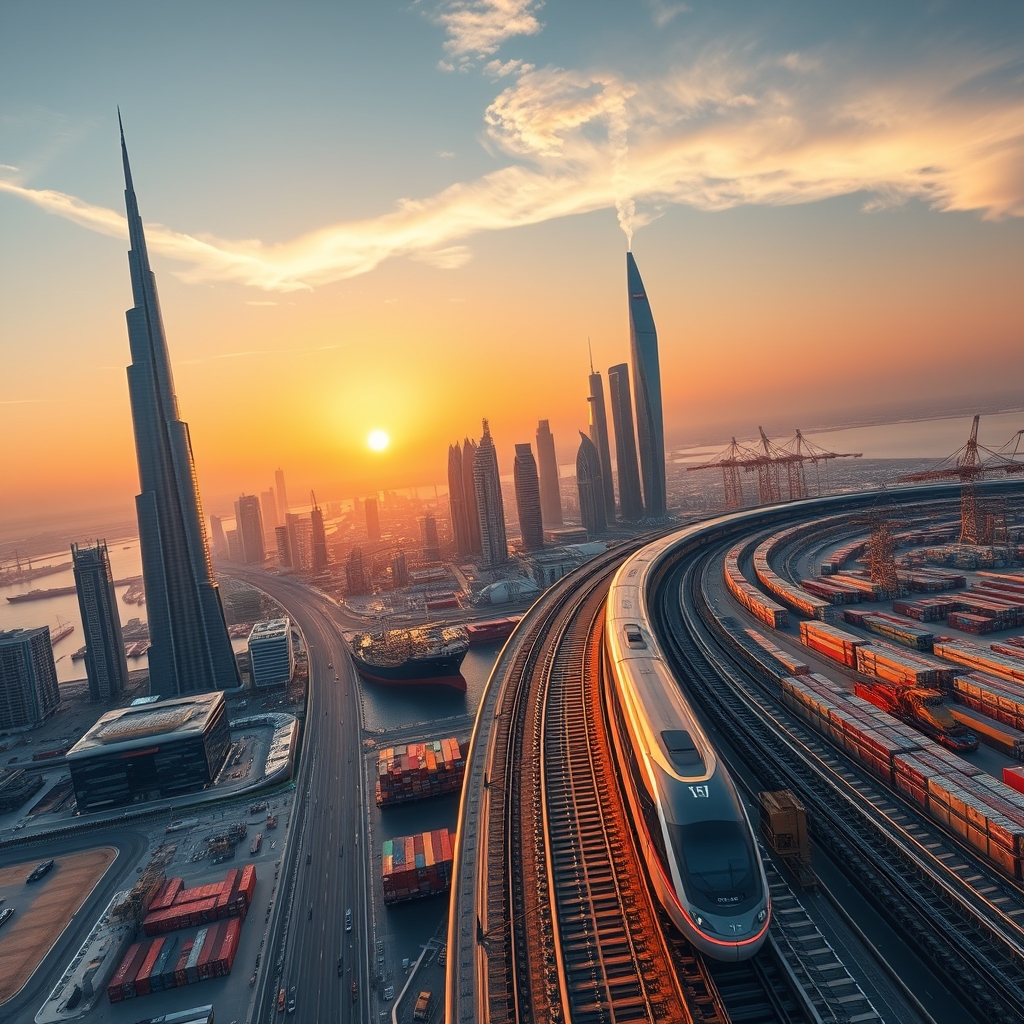
Geographically positioned at the crossroads of Europe, Asia, and Africa, the Gulf region has historically been a vital trade artery. Today, this strategic advantage is amplified by state-of-the-art infrastructure development. World-renowned ports like Jebel Ali in Dubai and King Abdullah Port in Saudi Arabia, coupled with leading international airlines such as Emirates and Qatar Airways, have transformed the region into a crucial global logistics and supply chain hub.
These sophisticated networks facilitate the seamless movement of goods, services, and people across continents, making the Gulf indispensable to global trade efficiency. Disruptions or advancements in this region’s logistics capabilities have immediate and far-reaching consequences for international commerce, highlighting their critical role in maintaining the flow of global goods.
A Hub of Innovation and International Collaboration
The Gulf economies are not just about wealth and resources; they are rapidly becoming vibrant centers for innovation and international collaboration. Through world expos, global summits, and strategic partnerships, they are fostering environments where cutting-edge research, technological advancements, and cultural exchange can thrive. This commitment to progress attracts diverse talent and ideas, further enriching their contribution to the global intellectual and economic landscape.
From pioneering smart city initiatives to leading discussions on renewable energy and sustainable development, the Gulf nations are actively contributing to solutions for some of humanity’s most pressing challenges. Their proactive engagement on the global stage demonstrates a clear intent to be leaders, not just participants, in shaping the world’s future trajectory.
The multifaceted importance of the Gulf economies cannot be overstated. From powering the world and diversifying into new sectors to acting as major global investors and critical trade hubs, their influence is broad and ever-growing. As these dynamic nations continue to evolve and expand their reach, recognizing their pivotal contributions is essential for anyone seeking to understand the intricate workings of our modern globalized world and anticipate its future direction. Their ongoing transformation offers a compelling narrative of ambition, strategic vision, and an enduring commitment to global partnership.