
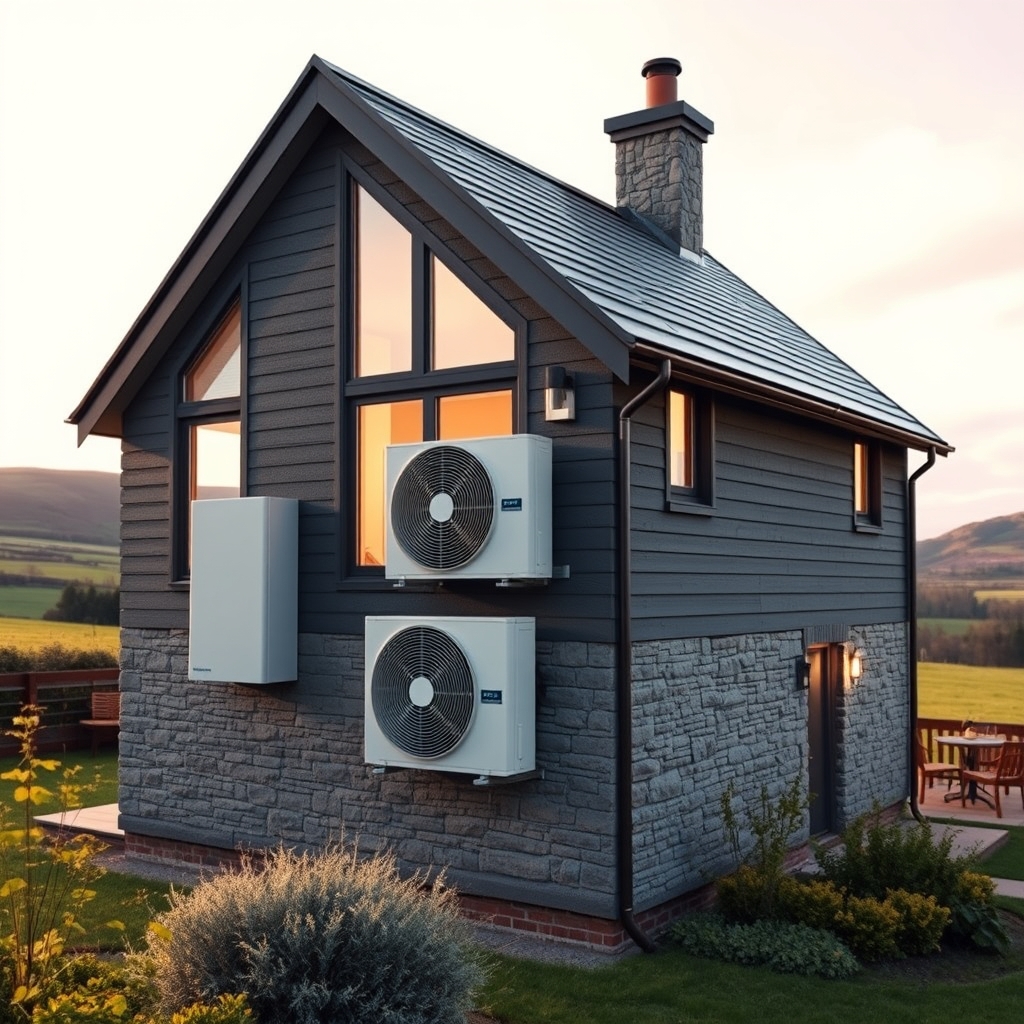
Are you considering upgrading your home heating system to a more sustainable option, mindful of both environmental impact and long-term savings? The future of domestic heating in Scotland is firmly set on low-carbon solutions, with heat pump targets playing a central and strategic role. Recently, the Scottish government unveiled its comprehensive climate plan, confirming its intention to strategically ramp up the roll-out of this innovative technology, aiming for significant acceleration by 2035. This considered, phased approach offers both distinct opportunities and important considerations for homeowners across the nation, paving the way for a greener, more energy-efficient future for all.
Understanding Scotland’s Heat Pump Ambition
Scotland is unequivocally committed to achieving ambitious climate change targets, striving for net-zero emissions by 2045. As an integral part of this broader decarbonization roadmap, transitioning away from traditional fossil fuel heating systems is not just an aspiration but a paramount necessity. The government’s recent announcement to wait until 2035 before significantly increasing the deployment of heat pumps signals a deliberate, long-term strategy designed for sustainable adoption.
This carefully considered timeline suggests a crucial period for further technological advancements, robust infrastructure development, and widespread public awareness campaigns. It allows all key stakeholders, including individual homeowners, certified installers, and energy providers, ample time to prepare effectively for a comprehensive, nationwide shift. The overarching focus remains on ensuring a smooth, equitable, and highly effective transition to sustainable heating solutions across every Scottish household.
The Benefits of Embracing Heat Pump Technology
Heat pumps are rapidly gaining recognition as exceptionally efficient and environmentally friendly heating and cooling systems, offering a compelling alternative to conventional boilers. By expertly extracting latent heat from the ambient air, the ground, or even water sources, they can proficiently provide warmth for your home and hot water with significantly less energy consumption than traditional fossil-fuel systems. This translates directly into a profound reduction in your home’s carbon footprint, making a substantial contribution to Scotland’s ambitious climate goals.
Beyond these undeniable environmental advantages, homeowners can also anticipate substantial long-term financial benefits. While the initial investment cost for a heat pump system might be higher than a conventional boiler, the operational costs are typically much lower due to their superior energy efficiency and the utilization of renewable energy sources. This can lead to significant savings on energy bills over the entire lifespan of the system, positioning heat pumps as a smart and economically sound choice for the future of your home.
Navigating the Path to a Greener Home: Challenges and Considerations
Despite their numerous and compelling benefits, the widespread adoption of heat pumps across Scotland isn’t entirely without its inherent challenges. One of the primary concerns for many Scottish households remains the upfront installation cost, which can indeed represent a significant initial investment. Furthermore, the suitability of heat pumps for certain property types, particularly older or historically significant homes with varying insulation levels, often requires careful, expert assessment and potential preparatory upgrades to ensure optimal performance.
Moreover, ensuring a robust and resilient supply chain for components and a sufficient number of highly skilled, certified installers across every region of Scotland is absolutely crucial for a successful and timely rollout. Homeowners should also diligently consider their home’s existing insulation levels and overall energy efficiency, as the optimal performance and cost-effectiveness of a heat pump rely heavily on a well-sealed and insulated property. Addressing these practical aspects proactively will undoubtedly smooth the entire transition process for families and individuals.
What the 2035 Timeline Implies for Scottish Households
The Scottish government’s decision to intensify the heat pump rollout by 2035 provides a much clearer and more stable long-term vision for the nation’s critical energy transition. This extended timeline offers a valuable window for the market to further mature, for technological innovation to potentially drive down costs, and for government support mechanisms and grants to become more comprehensive, streamlined, and widely accessible to all. It represents an opportunity for a well-orchestrated and thoughtful shift rather than a rushed or reactive one.
For forward-thinking homeowners, this significant period means there’s ample time to thoroughly research, meticulously plan, and adequately prepare their properties for a future-proof, low-carbon heating system. Staying proactively informed about upcoming grants, financial incentives, and evolving policy developments will be absolutely key to maximizing benefits. Engaging early with certified energy advisors can help identify the most appropriate low-carbon heating solutions tailored precisely to individual needs and specific property characteristics, ultimately ensuring a seamless and advantageous upgrade when the optimal time arrives.
Ultimately, embracing sustainable heating technologies like heat pumps is not merely about meeting national climate targets; it’s about making a wise, long-term investment in the enduring comfort, efficiency, and intrinsic value of your home. As Scotland moves steadily and determinedly towards its ambitious decarbonization goals, proactive planning for a potential heat pump installation can strategically position your property ahead of the curve. Take the initiative to start exploring your viable options today, consult with reputable experts, and empower your home to fully benefit from the ongoing clean energy revolution.