
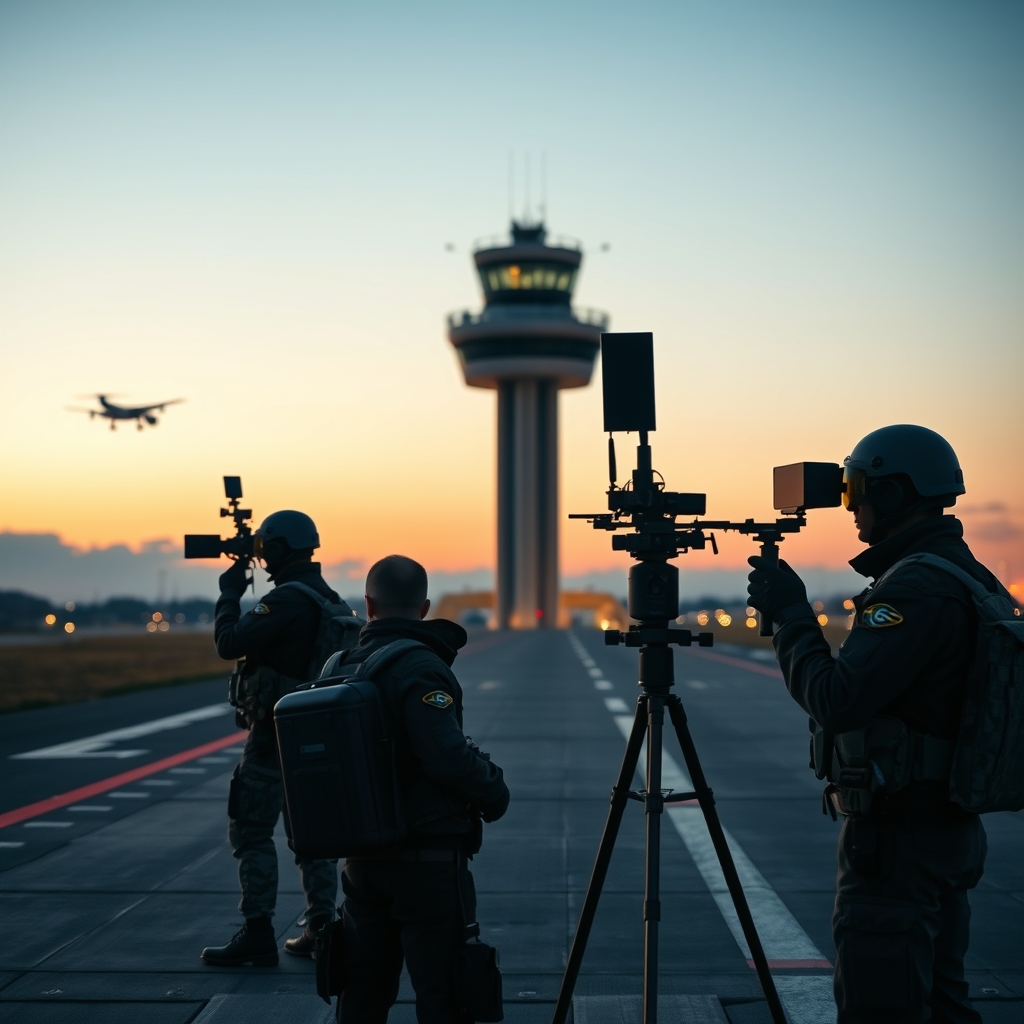
In an increasingly complex world, the skies above us, once a symbol of freedom and connection, have become a new frontier for conflict. The recent news of **drone strikes** impacting Kuwait airport sends a ripple of concern across the globe, serving as a stark, unsettling reminder of the evolving nature of modern warfare and the precarious balance of regional security. This isn’t merely an isolated incident; it’s a potent signal, demanding our attention and a deeper understanding of the forces at play.
Such events underscore the urgent need to examine the profound implications these unmanned aerial vehicles (UAVs) have on civilian infrastructure, international relations, and the daily lives of millions. It compels us to look beyond the immediate headlines and consider the far-reaching consequences for stability in one of the world’s most vital geopolitical regions.
The Evolving Threat of Unmanned Aerial Vehicles (UAVs)
The proliferation of drones has fundamentally reshaped the landscape of conflict. Once the exclusive domain of advanced military powers, these sophisticated machines are now accessible to a wider array of state and non-state actors. Their ability to deliver precision strikes, conduct surveillance, and operate with relative anonymity presents an unprecedented challenge to traditional defense systems.
These unmanned aerial systems offer a low-cost, high-impact method of projecting power or causing disruption, making them an attractive tool in asymmetric warfare. Their stealth capabilities and maneuverability can often circumvent conventional air defense strategies, allowing them to penetrate sensitive airspace with alarming ease. This technological shift demands a constant re-evaluation of security protocols and defensive measures.
Impact on Regional Stability and Critical Infrastructure
An attack on an airport, a bustling hub of international commerce and travel, resonates far beyond its immediate vicinity. It disrupts supply chains, impacts economic activity, and, perhaps most significantly, erodes public confidence in security. The psychological toll on a population, knowing their vital infrastructure is vulnerable to aerial attacks, can be profound and lasting.
Such incidents inevitably escalate geopolitical tensions, particularly in a region as volatile as the Middle East. They risk drawing more actors into proxy conflicts, destabilizing fragile peace efforts, and creating a dangerous cycle of retaliation. The integrity of critical infrastructure, from transportation networks to energy facilities, becomes a focal point for both defense and aggression, with civilian populations often bearing the brunt of the fallout.
Strengthening Defenses: The Imperative for Enhanced Security
In response to this escalating threat, nations are racing to develop and deploy advanced counter-drone technologies. This includes sophisticated radar systems capable of detecting small, fast-moving objects, electronic warfare measures to jam control signals, and even laser-based defense systems designed to neutralize incoming threats. However, the sheer scale of protecting vast areas and diverse targets remains an immense challenge.
Enhanced airport security protocols are now paramount, encompassing not just physical barriers but also advanced surveillance and rapid response capabilities. International cooperation in intelligence sharing and joint development of air defense strategies are crucial. Only through a multi-faceted approach, combining technological innovation with robust operational procedures, can the risk of future drone incursions be mitigated.
The Path Forward: Diplomacy Amidst Escalation
While strengthening physical defenses is vital, addressing the root causes of these conflicts is equally important. The use of drone strikes, particularly against civilian targets, often stems from deeper political grievances, regional rivalries, and a breakdown in diplomatic engagement. A sustainable solution requires more than just military deterrence; it demands concerted diplomatic efforts to de-escalate tensions and foster dialogue.
International bodies and regional powers must work collaboratively to establish clear norms and regulations regarding the use of unmanned aerial vehicles. Promoting transparency, accountability, and adherence to international law can help curb reckless actions and prevent further escalation. The path to lasting stability is paved not just with advanced weaponry, but with robust diplomacy and a genuine commitment to peace.
The incident at Kuwait airport serves as a potent wake-up call, urging us all to recognize the profound shifts occurring in global security. It highlights the urgent need for vigilance, innovation in defense, and unwavering commitment to diplomatic solutions. Understanding these complex dynamics is the first step toward safeguarding our shared future and ensuring that the skies above remain a realm of opportunity, not a theater of fear.