One might scoff, perhaps even emit a derisive snort, at the mere suggestion that a Disney Channel show about a blonde wig and pop songs could be anything more than a fleeting sugar rush for pre-teens. And yet, here we are, two decades later, confronted with the utterly bewildering reality that Hannah Montana has, against all odds and reasonable expectations, emerged as an unexpected icon for marginalized kids. Yes, you read that correctly. The very program that perfected the art of the flimsy disguise has apparently taught an entire generation how to deftly navigate the treacherous waters of code-switching, embrace the glorious theatricality of drag, and ultimately, celebrate their truest selves. One can almost hear the collective gasp of irony echoing through the halls of academic cultural studies.
The Wigged Whisperer of Code-Switching
Before the internet gifted us endless explainers on performative identity and the psychological toll of dual personas, there was Miley Stewart, a seemingly ordinary teenager with an extraordinary secret. By day, she was the relatable girl next door, navigating school, crushes, and the profound drama of a bad hair day; by night, she transformed into Hannah Montana, a global pop sensation adored by millions. This wasn’t just a convenient plot device for sitcom hijinks; it was, dare we say, a rather accidental masterclass in code-switching.
For countless young people, particularly those from marginalized communities, the act of presenting different versions of themselves in varying social or professional contexts is not merely a choice, but often a necessary survival mechanism. Hannah Montana, with her distinct personas and carefully managed public image, inadvertently offered a surprisingly astute blueprint. She showed how to adapt, how to compartmentalize one’s identity to fit different expectations, and crucially, how to thrive while maintaining a hidden, authentic core that only a select few were privy to. It was a lesson in strategic self-presentation, wrapped in glitter.
From Pop Princess to Queer Icon: The Unintentional Drag Blueprint
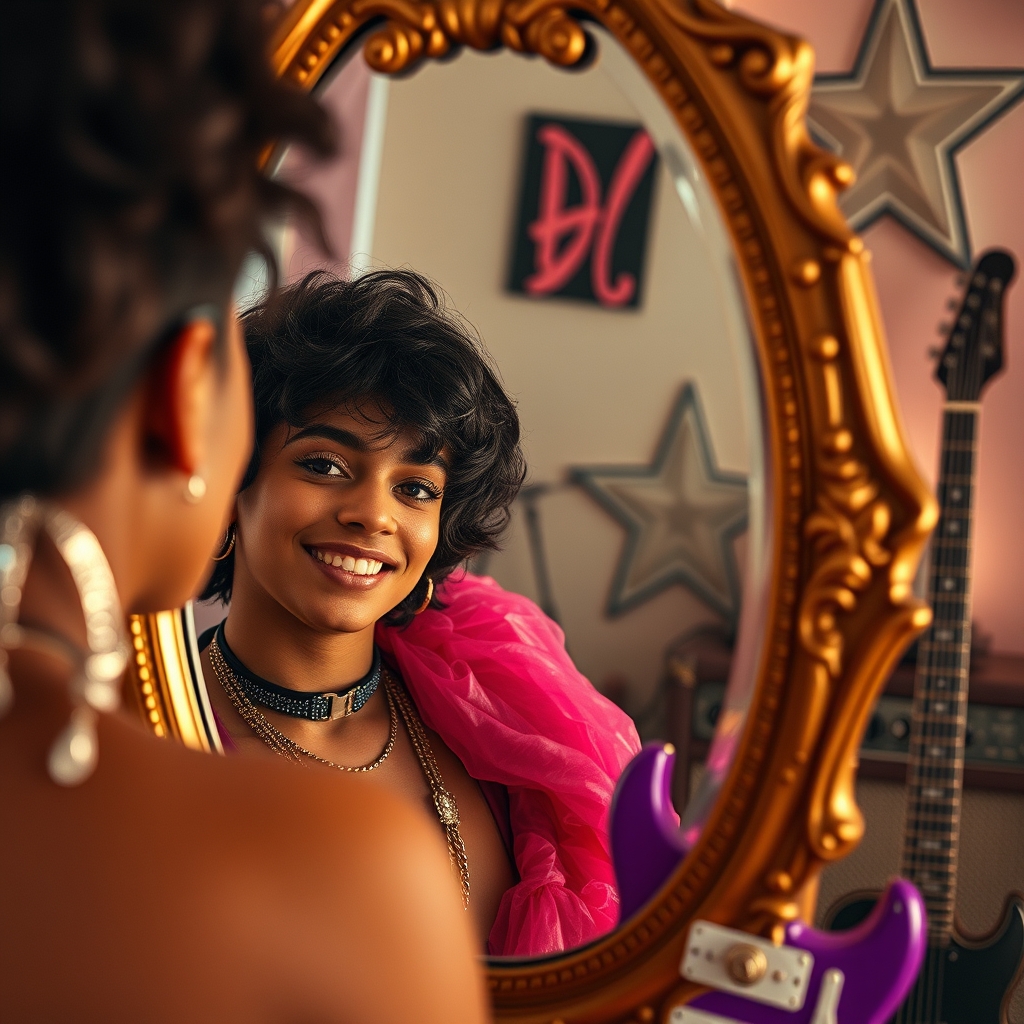
The concept of slipping into an alter ego, complete with elaborate costumes, transformative makeup, and a dazzling stage presence, might sound intimately familiar to anyone acquainted with the vibrant and powerful art of drag. Lo and behold, Hannah Montana, with her signature blonde wig, sequined ensembles, and larger-than-life stage persona, became an unwitting, if entirely unintentional, precursor for many queer youth experimenting with self-expression and the fluidity of identity.
The show’s emphasis on dramatic transformation and the sheer power of performance resonated deeply with those exploring their own identities through theatricality. It wasn’t just about a wig and a microphone; it was about the profound freedom that came with embracing a persona, the joy of playing with gender expression, and discovering the confidence to shine in an entirely new skin. Who knew a Disney star could lay such foundational groundwork for future generations of fierce performers and self-discoverers?
Beyond the Sequins: Discovering Your Authentic Self
While the initial premise firmly revolved around keeping Miley’s two lives rigidly separate, the underlying narrative gradually, almost subtly, shifted towards themes of integration and self-acceptance. The constant tension between Miley Stewart and Hannah Montana wasn’t solely for comedic effect or dramatic cliffhangers; it explored the very real struggle of reconciling different, sometimes conflicting, facets of one’s identity. The burden of the secret ultimately became too heavy to bear, paving the way for a more honest existence.
For marginalized kids grappling with the chasm between who they are privately and who society expects them to be publicly, this evolving narrative offered profound solace and a roadmap. It taught them that true strength lies not in perpetually hiding parts of oneself, but in understanding, embracing, and eventually, owning every single part of their unique selves. The journey from maintaining a carefully constructed secret identity to achieving holistic authenticity was, surprisingly enough, a masterclass in self-love and radical acceptance.
The Enduring, If Baffling, Legacy of Dual Identities
It’s truly a testament to the unpredictable, often ironic, nature of pop culture that a show originally conceived for mass appeal and merchandising could become such a nuanced and significant touchstone for specific communities. Gen Z, with their sharp eyes for authenticity, their inherent understanding of fluid identities, and their uncanny ability to excavate meaning from unexpected places, have reclaimed Hannah Montana not merely as a nostalgic relic, but as a surprisingly relevant, even revolutionary, text.
The show’s surprisingly deep exploration of duality, the inherent pressures of maintaining a public versus private self, and the ultimate triumph of self-love and truth has cemented its place far beyond the ephemeral realm of children’s television. It’s a testament to the fact that sometimes, the most profound lessons and the most empowering narratives arrive wrapped in glitter and catchy pop hooks, delivered by a girl with a secret identity and an undeniable, if accidental, knack for cultural impact.
So, next time you’re tempted to dismiss a piece of pop culture as mere superficial fluff, perhaps pause and consider the unforeseen depths it might hold. You never know which seemingly lighthearted story is quietly empowering an entire generation to embrace their own complex, beautiful, and sometimes dual, identities. After all, the most valuable insights often come from the most unexpected, and occasionally wigged, sources. Perhaps it’s time to put on your own metaphorical wig and see what truths you might uncover.