
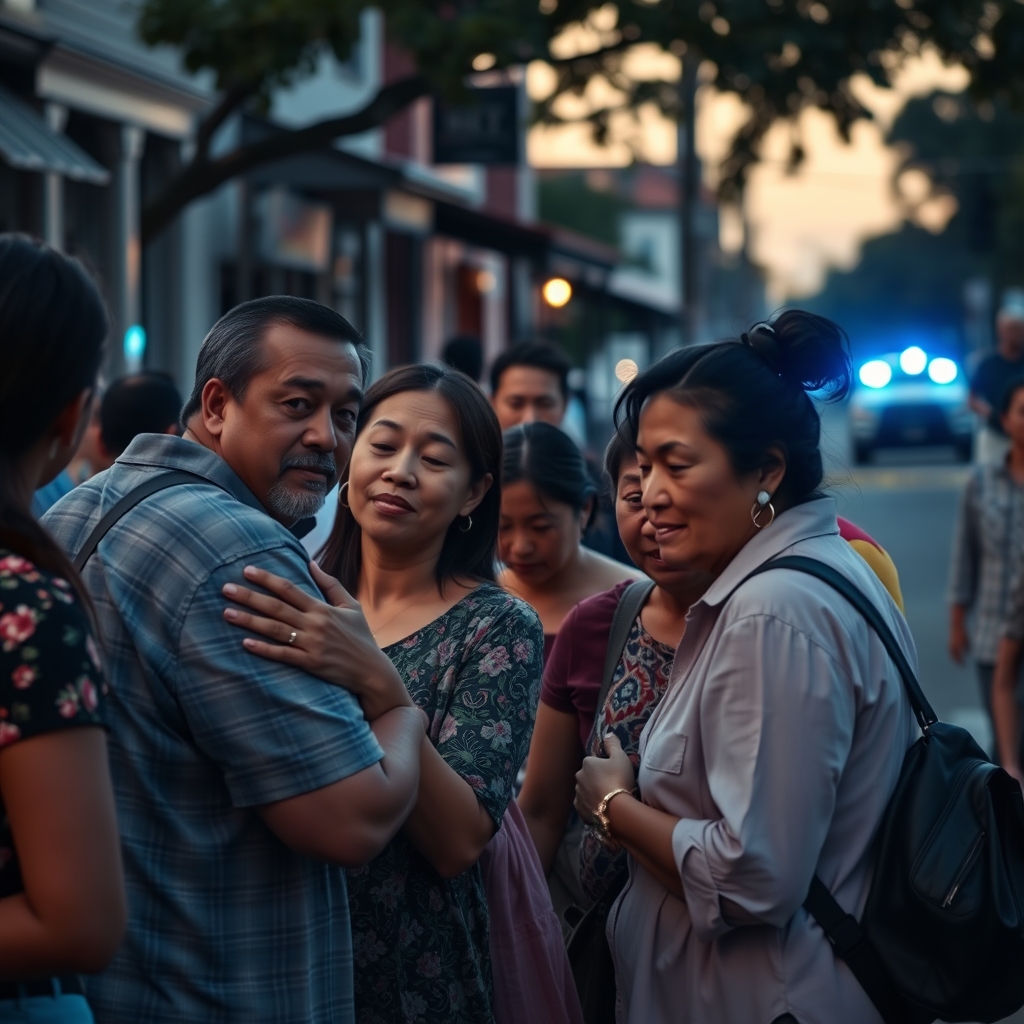
The air in New Iberia, Louisiana, on that fateful day was charged with an almost palpable joy. Families gathered, children laughed, and the vibrant colors of traditional dress swirled amidst the rhythmic beats of celebration. It was the annual Lao New Year parade, a cherished cultural event that brings together the local Lao community and their neighbors in a beautiful display of heritage and unity. This year, however, a shadow fell unexpectedly upon the festivities, transforming a day of celebration into a moment of collective shock and concern following a significant Lao New Year parade incident in Louisiana.
What began as a joyous procession, a testament to enduring traditions, quickly became a scene of emergency and compassion. The unexpected turn of events, though confirmed by authorities not to be intentional, left approximately 15 people injured, reminding everyone of the fragile line between everyday life and unforeseen tragedy. Yet, even in the immediate aftermath of such an unsettling event, the spirit of New Iberia and its resilient Lao community began to shine through, demonstrating an unwavering commitment to support and recovery.
The Heart of a Celebration: Lao New Year in Louisiana
Lao New Year, or Pi Mai Lao, is far more than just a date on a calendar; it is a profound cultural touchstone. For the Lao community in Louisiana, particularly in areas like New Iberia, it represents a vital connection to their ancestral homeland and a vibrant expression of identity. This annual festival is a time for cleansing, renewal, and paying respects to elders, often marked by water blessings, traditional dances, and communal feasts.
The parade itself is a spectacular culmination of these traditions, drawing participants and spectators from across the region. Intricately designed floats, spirited performers in traditional attire, and the infectious energy of music fill the streets, turning downtown New Iberia into a temporary cultural hub. It’s an opportunity for younger generations to connect with their heritage and for the wider community to experience and appreciate the richness of Lao culture.
Every year, the anticipation builds, culminating in a day that reinforces community bonds and celebrates the enduring spirit of the Lao people. It’s a moment of collective pride, where the sounds of joy and the sight of shared heritage weave together to create an unforgettable experience. This deeply ingrained cultural significance makes the disruption of the parade all the more poignant, highlighting the vulnerability of cherished community gatherings.
The streets become a living tapestry of tradition, where elders share stories and children gaze wide-eyed at the pageantry. It’s a day when the community feels most connected, most alive, and most proud. The festive atmosphere is usually unbroken, a seamless flow of cultural expression and shared happiness, which underscores the shock felt when that flow was abruptly interrupted.
The Unforeseen Moment: A Car Incident Disrupts Joy
Amidst this joyous spectacle, the unexpected occurred. A car, for reasons still under investigation, veered into the parade route, striking a number of participants and bystanders. The suddenness of the impact shattered the festive ambiance, replacing music and laughter with shouts of alarm and immediate concern for the injured. It was a terrifying moment, a stark reminder of how quickly circumstances can change.
Eyewitness accounts painted a picture of confusion and swift action, as parade-goers and community members rushed to assist those affected. The incident, though not intentional, caused significant alarm and resulted in injuries to approximately 15 individuals, ranging in severity. The initial moments were critical, as first responders and volunteers worked tirelessly to assess the situation and provide immediate aid to the victims.
The sheer shock of the event rippled through the crowd, transforming a scene of celebration into one of emergency. The vibrant costumes and festive decorations now stood in stark contrast to the urgent movements of paramedics and law enforcement. It was a stark reminder that even in moments of profound joy, unforeseen dangers can emerge, demanding immediate and coordinated responses from an entire community.
The immediate aftermath was a testament to human instinct and compassion. People who moments before were simply enjoying the parade quickly shifted roles, offering comfort, directing traffic, or clearing paths for emergency vehicles. This spontaneous outpouring of help underscored the deep-seated care within the community, even as the initial shock and trauma began to set in, marking a turning point in the day’s events.
Immediate Response and Community Solidarity
In the wake of the New Iberia parade accident, the response from emergency services was swift and decisive. Ambulances, police vehicles, and fire trucks converged on the scene within minutes, their sirens cutting through the lingering echoes of celebration. Paramedics immediately began triaging the injured, providing critical care, and transporting those most severely affected to nearby medical facilities. The coordination between various agencies was crucial in managing the immediate chaos.
Beyond the professional responders, the community itself demonstrated remarkable solidarity. Bystanders, many of whom had been enjoying the parade just moments before, sprang into action. They offered comfort to the distressed, helped direct traffic, and assisted emergency personnel in any way they could. This spontaneous outpouring of support highlighted the strength and unity embedded within the New Iberia community.
News of the incident spread quickly, prompting an immediate outpouring of concern and offers of assistance from across Louisiana and beyond. Local businesses offered resources, while community leaders issued statements of support and reassurance. This collective response underscored the deep bonds that tie communities together, especially in times of crisis, showcasing a powerful spirit of resilience and mutual aid.
The scene, initially one of disarray, gradually became organized under the calm direction of emergency personnel, supported by the unwavering presence of community members. The focus shifted from the shock of the event to the urgent need for care and assistance, demonstrating how quickly a community can mobilize its resources and compassion when faced with an unexpected challenge. This immediate, collective effort was a beacon of hope amidst the unfolding tragedy.
Navigating the Aftermath: Healing and Support
For those injured in the Louisiana parade crash, the journey to recovery is a multifaceted one, encompassing physical healing and emotional well-being. Injuries, both visible and invisible, require time, care, and a robust support system. Medical professionals continue to work diligently to ensure the best possible outcomes for those who were hospitalized, while others manage less severe but still impactful injuries.
Beyond the physical wounds, the psychological impact of such a traumatic event cannot be overstated. Witnesses, participants, and even those who heard about the incident can experience distress, anxiety, and fear. Recognizing this, community organizations and mental health professionals have stepped forward to offer counseling and support services, creating safe spaces for individuals to process their experiences and begin healing.
The Lao community, in particular, has rallied around its members, drawing strength from shared cultural values and traditions. Family networks, religious institutions, and community leaders have played a pivotal role in providing emotional comfort, practical assistance, and a sense of belonging during this challenging period. This collective embrace is essential for fostering a sense of security and facilitating long-term recovery.
The path to full recovery is often long and complex, requiring patience, empathy, and sustained support. As the initial shock subsides, the ongoing needs of the affected individuals and families become paramount. It’s a testament to the community’s strength that resources and compassion continue to flow, ensuring that no one feels alone in their journey to heal from the unforeseen disruption of their cherished celebration.
Enhancing Safety at Public Gatherings
The New Iberia incident serves as a stark reminder of the critical importance of public safety planning for large-scale events. While authorities confirmed the car incident was not intentional, it highlights the inherent risks associated with open-street festivals and parades. Event organizers, local authorities, and community stakeholders are now undoubtedly reviewing existing protocols to prevent similar occurrences in the future.
Key areas for consideration include enhanced traffic control measures and improved barricade strategies. Deploying robust physical barriers, such as concrete blocks or heavy-duty bollards, at strategic entry points can significantly mitigate the risk of vehicles inadvertently entering parade routes. These measures, while requiring careful planning, are essential for creating a secure environment for participants and spectators alike.
Furthermore, clear communication plans and emergency evacuation procedures are paramount. Ensuring that attendees know what to do in an emergency, and that event staff are well-trained in crisis management, can make a crucial difference in minimizing harm. Regular drills and updated protocols can help ensure a coordinated and effective response should an unforeseen event occur during a public gathering.
Balancing accessibility with security is a delicate act, but one that is absolutely necessary for the integrity of public events. The goal is not to instill fear but to foster a sense of safety and confidence, allowing communities to celebrate their traditions without undue worry. Proactive safety measures are an investment in the continued vibrancy and enjoyment of cultural festivals and community events for years to come.
Rebuilding Trust and Ensuring Future Celebrations
In the aftermath of any significant community incident, rebuilding trust and ensuring a sense of security for future events is paramount. The Lao community in New Iberia, alongside local authorities, faces the task of carefully assessing what happened and implementing measures that will restore confidence in public gatherings. This involves transparent communication, clear action plans, and a shared commitment to learning from the experience.
Future Lao New Year celebrations, and indeed all public festivals in New Iberia, will undoubtedly be planned with an even greater emphasis on safety and security. This might include more visible law enforcement presence, stricter vehicle access controls, and enhanced community awareness campaigns on emergency procedures. The aim is to create environments where joy and cultural expression can flourish without the looming shadow of potential harm.
The resilience of the human spirit and the strength of community bonds are powerful forces in moving forward. While the memory of the incident will remain, it should not overshadow the importance of continuing cherished traditions. These cultural celebrations are vital for identity, connection, and the overall well-being of the community, serving as anchors in a rapidly changing world.
Ultimately, the collective commitment to healing, learning, and adapting will define the path ahead. The New Iberia Lao New Year parade incident, while a moment of profound sadness, has also served to highlight the unwavering spirit of a community that refuses to be defined by adversity. It reinforces the idea that through shared effort and dedication, the joy of cultural celebration can not only be preserved but also strengthened for generations to come, ensuring that the vibrant tapestry of community life continues to be woven with threads of hope and resilience.