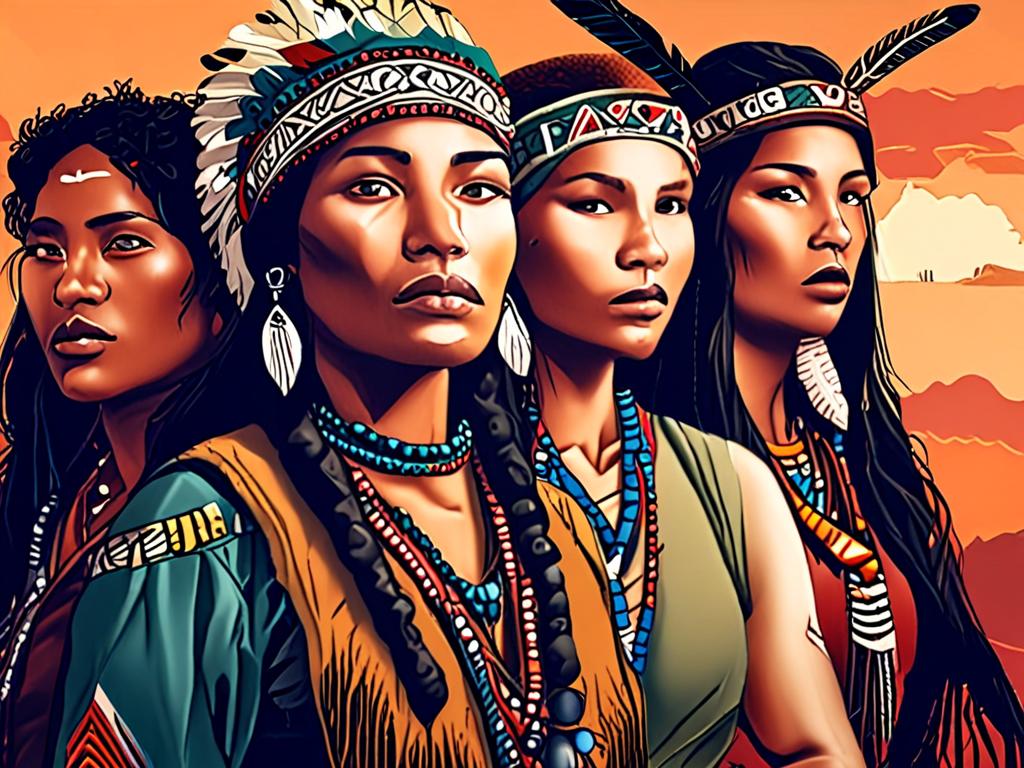
The land breathes. For First Nations peoples across Turtle Island, the earth is not a commodity, a resource to be exploited, or merely a backdrop to human activity. It is a living entity, a sacred relative, the very foundation of identity, spirituality, and sustenance. Yet, for centuries, this profound connection has been challenged by colonial policies, resource extraction, and relentless encroachment. In the face of these ongoing threats, a powerful and unwavering force has emerged as the frontline defenders: First Nations women. Their fight is not just for parcels of land; it is a profound struggle for cultural survival, environmental justice, and the inherent sovereignty of their nations, embodying a resilience that transcends generations and offers vital lessons for the entire world.
## The Deep Roots of Resistance: Land, Culture, and Identity
The struggle led by First Nations women is fundamentally rooted in a holistic worldview that sees the land, water, and all living beings as interconnected. This perspective stands in stark contrast to the dominant industrial paradigms that often view nature through an extractive lens.
### More Than Soil: A Sacred Connection
For Indigenous communities, traditional territories are repositories of ancestral knowledge, sacred sites, burial grounds, and the source of traditional foods and medicines. This relationship is codified in oral histories, ceremonies, and languages that articulate a duty of care, rather than ownership, over the land. When this connection is severed or threatened by industrial development – be it pipelines, mines, or logging operations – it represents an attack not just on physical space, but on the spiritual, cultural, and mental well-being of the entire community. First Nations women, often as matriarchs and knowledge keepers, feel this breach most acutely and respond with fierce determination.
### Guardians of Knowledge and Future Generations
Across many First Nations cultures, women hold distinct and vital roles as life-givers, educators, and preservers of traditional knowledge, language, and ceremonies. This positions them inherently as guardians of the future. Their advocacy for land protection is an extension of their responsibility to ensure that future generations inherit a vibrant culture, a healthy environment, and the ability to practice their inherent rights on their ancestral lands. They understand that the health of the land directly impacts the health of their people, and particularly the children who are yet to come. This deep, intergenerational commitment fuels their unwavering resolve.
## Multifaceted Battles: Legal Arenas, Direct Action, and Environmental Justice
The fight waged by First Nations women is complex and multifaceted, employing a diverse array of strategies from the intricacies of legal challenges to courageous direct action on the ground, all while weaving in the imperative of environmental and social justice.
### Navigating the Legal Labyrinth
Many First Nations women find themselves at the forefront of intricate legal battles, challenging government decisions and corporate projects that threaten their lands and treaty rights. These cases are often protracted, resource-intensive, and emotionally draining, requiring an extraordinary level of dedication and strategic acumen. From asserting Aboriginal title and rights in supreme courts to challenging environmental assessment processes for major resource projects, these women are meticulously dissecting legislation, uncovering historical injustices, and advocating for a legal framework that recognizes and respects Indigenous sovereignty. Their efforts often set vital precedents, not just for their own communities but for Indigenous rights globally, demonstrating that justice, though slow, can be achieved through persistent legal advocacy.
### On the Frontlines: