
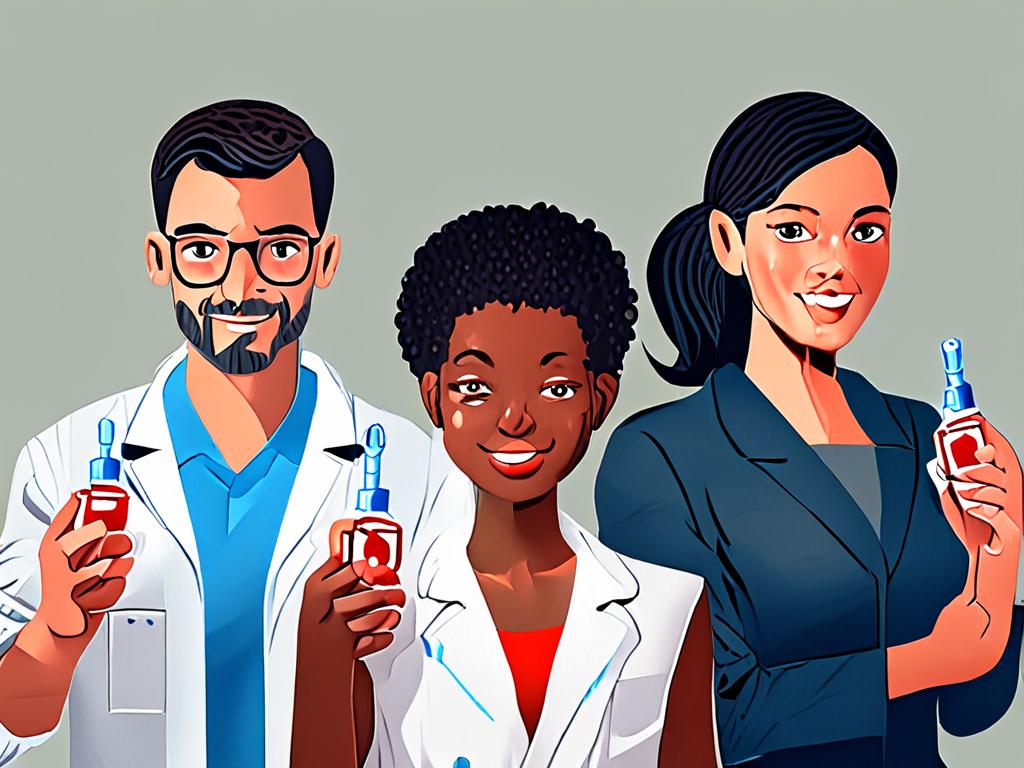
## Who Gets Benefited with Vaccines? Unpacking the Widespread Impact of Immunization
Imagine a world where preventable diseases ran rampant, claiming lives and crippling societies without mercy. Thankfully, such a reality is largely confined to history books, thanks to one of humanity’s greatest scientific achievements: vaccines. But the question of *who gets benefited with vaccines* extends far beyond the individual receiving the jab; it encompasses a complex web of protection that safeguards communities, economies, and future generations. This comprehensive exploration will delve into the multifaceted advantages of vaccination, revealing how this cornerstone of public health offers profound benefits to virtually everyone.
## Direct Benefits: Protecting the Vaccinated Individual
At its most fundamental level, vaccination provides immediate and powerful protection to the person who receives it. This direct benefit is often the primary motivation for seeking immunization and forms the bedrock of public health initiatives.
### Preventing Illness and Severe Disease
The most obvious benefit of vaccination is its ability to prevent the onset of infectious diseases. Vaccines work by introducing a weakened, inactive, or partial form of a pathogen to the immune system, allowing it to develop antibodies and memory cells without experiencing the full-blown illness. This pre-emptive training means that when the vaccinated individual encounters the real virus or bacteria, their immune system is primed to fight it off quickly and effectively, often preventing any symptoms from developing at all. For diseases like measles, polio, and tetanus, this prevention is life-saving.
### Reducing Hospitalizations and Fatalities
Even if a vaccinated individual does contract a disease against which they are immunized (which is rare and usually due to waning immunity or a particularly aggressive strain), the illness is almost always significantly milder. This reduction in severity translates directly into fewer hospitalizations, less need for intensive care, and, most importantly, a drastically lower risk of death. Consider influenza: while the flu shot doesn’t guarantee you won’t get the flu, it substantially reduces your chances of severe illness, complications, and death, especially for vulnerable populations. This is a critical aspect of *who gets benefited with vaccines*.
### Long-Term Health Protection
The protection offered by many vaccines is long-lasting, often providing immunity for many years or even a lifetime. This long-term health protection means that individuals can go about their lives without the constant threat of contracting debilitating or deadly diseases. It frees up mental and physical resources, allowing individuals to focus on education, work, and personal well-being, rather than constantly fearing preventable illness.
## Indirect Benefits: The Power of Community Protection (Herd Immunity)
While the direct benefits are compelling, the true power of vaccination emerges when a significant portion of a community is immunized. This phenomenon, known as herd immunity or community immunity, is a profound answer to *who gets benefited with vaccines* beyond the individual.
### Shielding the Vulnerable
Herd immunity occurs when a sufficiently large percentage of the population is immune to a disease, making its spread unlikely. This creates a protective buffer for those who cannot be vaccinated, including:
* **Infants too young for certain vaccines:** Newborns and very young babies are often too fragile or too young to receive all recommended immunizations.
* **Individuals with compromised immune systems:** People undergoing chemotherapy, organ transplant recipients, or those with specific medical conditions may not be able to develop a strong immune response to vaccines.
* **People with severe allergies to vaccine components:** A small number of individuals may have contraindications to specific vaccines.
For these vulnerable groups, herd immunity acts as an invisible shield, dramatically reducing their exposure risk because the disease simply cannot find enough susceptible hosts to circulate widely.
### Slowing Disease Transmission
When a high percentage of the population is vaccinated, the chain of transmission for infectious diseases is broken or significantly weakened. This means that even if an infected person enters the community, the virus or bacteria struggles to find new hosts, making outbreaks less likely and less severe. This collective effort is crucial for controlling epidemics and even eradicating diseases, as seen with smallpox.
### Protecting Healthcare Systems
High vaccination rates reduce the burden on healthcare systems. Fewer severe cases mean fewer doctor visits, fewer emergency room admissions, and fewer hospital beds occupied by preventable illnesses. This frees up resources, staff, and funding to address other medical needs, improve overall healthcare quality, and prepare for unforeseen health crises.
## Specific Groups Who Benefit Immensely
While everyone benefits from vaccines, certain demographics and professions experience particularly profound advantages. Understanding *who gets benefited with vaccines* requires highlighting these specific groups.
* **Children and Infants:** Vaccines are critical for protecting children