
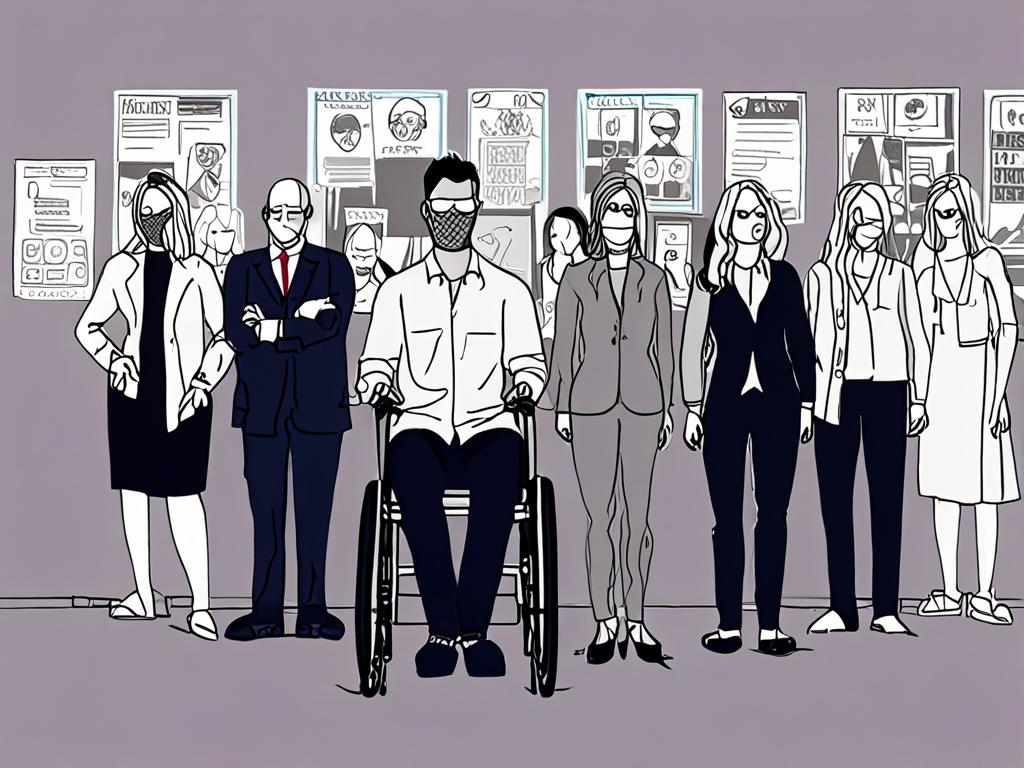
## Unmasking Inequality: What Disability Justice During a Pandemic Truly Means
The onset of a global pandemic was a seismic event that reverberated through every facet of society, exposing vulnerabilities and exacerbating existing inequalities with stark clarity. While the world grappled with an unprecedented health crisis, a particular lens was cast upon the disability community, revealing profound systemic failures and an urgent, often unmet, demand for justice. For disabled individuals, the pandemic wasn’t merely a health threat; it was an existential challenge that illuminated how societal structures, policies, and attitudes often sideline, disempower, and endanger their lives. Understanding disability justice during such a crisis means moving beyond mere accessibility checkboxes and demanding a radical restructuring of our collective response to prioritize equity, dignity, and the inherent value of every human life.
### The Unveiling: How the Pandemic Amplified Existing Injustices
The pandemic acted as a cruel mirror, reflecting the deep-seated biases and infrastructure gaps that have long impacted disabled people. From the initial scramble for resources to the protracted recovery efforts, specific patterns of neglect emerged, highlighting a critical need for systemic change.
#### Healthcare Triage and the Devaluing of Lives
One of the most distressing manifestations of injustice during the pandemic was the discussion surrounding healthcare rationing. Early on, many regions developed or contemplated triage protocols that implicitly or explicitly prioritized non-disabled individuals over those with pre-existing conditions or disabilities. These guidelines often cited “quality of life” or “long-term prognosis” as criteria, effectively assigning less value to the lives of disabled people. This approach was deeply dehumanizing, suggesting that a life with disability was inherently less worthy of critical medical intervention, thereby violating fundamental human rights principles. The fear among disabled communities was palpable: that they would be denied life-saving treatment not because of medical futility, but because of ableist assumptions about their lives.
#### Information Gaps and Communication Barriers
Effective communication is paramount during a public health crisis. Yet, government agencies and health organizations frequently failed to provide accessible information. Critical updates on virus transmission, safety protocols, testing sites, and vaccine availability were often released without consideration for various disability needs. This included:
* **Lack of American Sign Language (ASL) interpreters** for official briefings.
* **Absence of plain language or easy-read versions** for cognitively diverse individuals.
* **Inaccessible websites and digital platforms** for screen reader users.
* **Failure to provide information in alternative formats** (e.g., braille, large print).
This oversight left millions of disabled individuals in the dark, unable to make informed decisions to protect themselves and their families, leading to increased anxiety, confusion, and risk of exposure.
#### Collapse of Critical Support Systems
Many disabled individuals rely on personal care assistants (PCAs), direct support professionals, and other community-based services to live independently. The pandemic severely disrupted these vital networks. PCAs, often underpaid and lacking adequate personal protective equipment (PPE), faced impossible choices between their own safety and providing essential care. Staff shortages due to illness or fear led to a catastrophic reduction in services, forcing many disabled people to go without crucial support for daily living activities, sometimes for extended periods. This breakdown in care infrastructure threatened independent living, pushing many back into institutional settings or placing untenable burdens on family members.
### Core Tenets of Disability Justice in Crisis
Disability justice, a framework developed by disabled people of color, offers a robust lens through which to analyze and rectify these injustices. During a pandemic, its tenets become even more critical.
#### Centering Lived Experience
Disability justice insists that those most affected by policies and crises must be at the forefront of crafting solutions. This means actively including disabled people, and particularly those with intersecting identities (e.