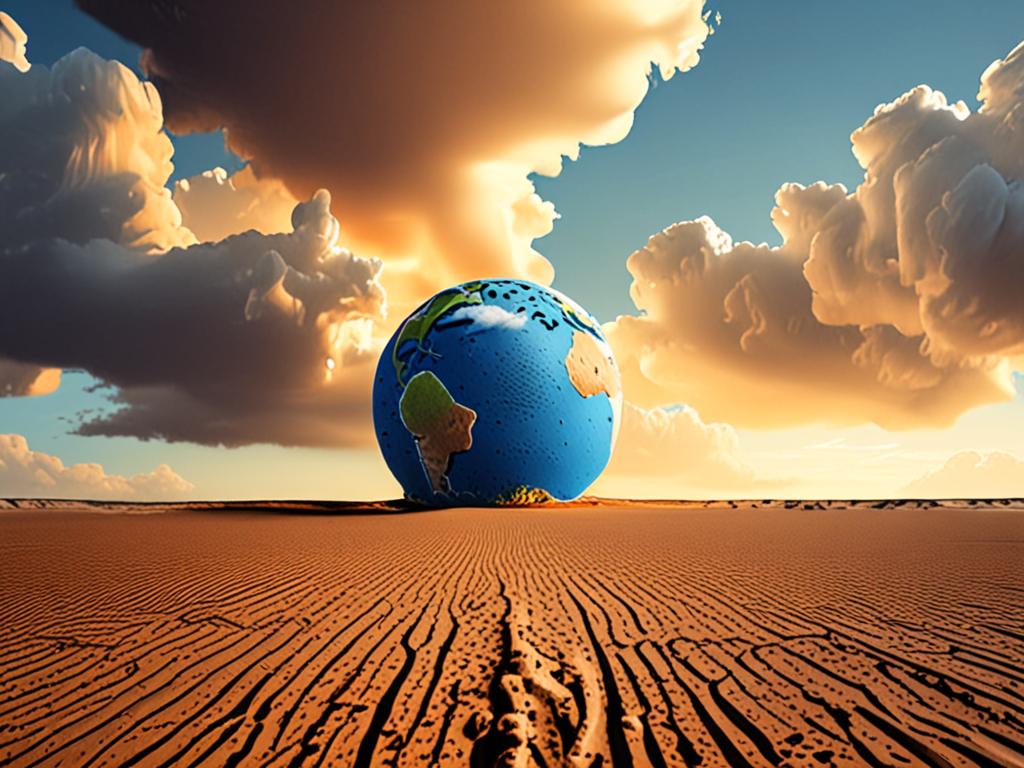
The planet is crying out, and its lament manifests as a cascade of devastating consequences that touch every corner of our world. The side effects of climate change are no longer distant threats but a pressing reality, reshaping environments, economies, and human lives with alarming speed and intensity. Understanding these multifaceted impacts is the first crucial step toward forging a sustainable future.
## Understanding Climate Change: A Brief Overview
Climate change refers to long-term shifts in temperatures and weather patterns. While some of these shifts can be natural, the current accelerated pace is overwhelmingly attributed to human activities, primarily the burning of fossil fuels. This process releases vast amounts of greenhouse gases into the atmosphere, trapping heat and leading to a phenomenon known as global warming.
### The Greenhouse Effect and Human Activity
The greenhouse effect is a natural process essential for life on Earth. Gases like carbon dioxide (CO2), methane (CH4), and nitrous oxide (N2O) form a blanket around the planet, preventing heat from escaping into space and keeping the Earth warm enough to sustain life. However, industrialization, deforestation, and agricultural practices have dramatically increased the concentration of these gases since the Industrial Revolution. This anthropogenic (human-caused) enhancement of the greenhouse effect is the fundamental driver behind the severe side effects of climate change we observe today.
## Environmental Side Effects of Climate Change
The natural world bears the brunt of a warming planet, exhibiting a range of profound and often irreversible changes. These environmental side effects of climate change ripple through ecosystems, threatening biodiversity and altering landscapes forever.
### Rising Global Temperatures
Perhaps the most direct and widely recognized side effect is the relentless rise in global average temperatures. Each passing decade consistently ranks among the warmest on record. This warming isn’t uniform; some regions experience more rapid heating than others, leading to:
* **Heatwaves:** More frequent, longer-lasting, and more intense heatwaves, posing significant risks to human health, agriculture, and infrastructure.
* **Melting Ice and Glaciers:** Polar ice caps, mountain glaciers, and ice sheets are melting at an accelerated rate, contributing to sea level rise and altering freshwater supplies.
* **Permafrost Thaw:** The thawing of permafrost in Arctic regions releases ancient stores of methane and CO2, creating a dangerous feedback loop that further exacerbates global warming.
### Extreme Weather Events
Climate change intensifies the hydrological cycle, leading to more extreme weather phenomena. While individual events cannot be solely attributed to climate change, their frequency and intensity are demonstrably increasing. These include:
* **More Intense Storms:** Warmer oceans provide more energy for tropical storms, hurricanes, and typhoons, leading to stronger winds, heavier rainfall, and greater destructive potential.
* **Increased Flooding:** Heavy precipitation events, coupled with rising sea levels, result in more frequent and severe inland and coastal flooding.
* **Prolonged Droughts:** Conversely, many regions are experiencing longer and more severe droughts, impacting water availability, agriculture, and increasing the risk of wildfires.
* **Wildfires:** Drier conditions, higher temperatures, and increased fuel loads contribute to an increase in the frequency, intensity, and duration of wildfires across many continents.
### Sea Level Rise and Ocean Acidification
The oceans, critical regulators of Earth’s climate, are undergoing dramatic transformations.
* **Sea Level Rise:** Caused by thermal expansion (water expands as it warms) and the melting of glaciers and ice sheets, sea levels are rising globally. This threatens coastal communities, contaminates freshwater sources with saltwater intrusion, and erodes coastlines.
* **Ocean Acidification:** The oceans absorb a significant portion of the CO2 released into the atmosphere. This absorption leads to a decrease in the pH of seawater, a process known as ocean acidification. This has severe implications for marine life, particularly shellfish, corals, and plankton, which struggle to build and maintain their calcium carbonate shells and skeletons in more acidic waters.
### Biodiversity Loss and Ecosystem Disruption
The rapid changes in temperature, precipitation patterns, and ocean chemistry are pushing many species to their limits.
* **Habitat Loss:** Rising temperatures and extreme weather events destroy habitats, forcing species to migrate or face extinction.
* **Species Extinction:** Many plants and animals cannot adapt quickly enough to the rapid environmental shifts, leading to accelerated extinction rates. Coral reefs, for example, are highly vulnerable to warming and acidification, leading to widespread bleaching events.
* **Disrupted Ecosystems:** The intricate balance of ecosystems is being upended, affecting everything from pollination patterns to food webs. This can have cascading effects, destabilizing entire natural systems.
## Socio-Economic Side Effects of Climate Change
Beyond the environmental devastation, the side effects of climate change have profound and far-reaching socio-economic implications, impacting human well-being, economic stability, and global security.
### Food and Water Insecurity
Climate change directly threatens the fundamental resources necessary for human survival.
* **Agricultural Impacts:** Changing rainfall patterns, increased droughts, floods, and extreme heat reduce crop yields and livestock productivity. This leads to food shortages, price volatility, and increased hunger, especially in vulnerable regions.
* **Water Scarcity:** Glacial melt, which supplies freshwater to billions, is dwindling. Droughts deplete reservoirs and groundwater, exacerbating water scarcity for drinking, sanitation, and agriculture in many parts of the world.
### Health Impacts
The human health consequences of a changing climate are diverse and growing.
* **Heat-Related Illnesses:** More frequent and intense heatwaves lead to heatstroke, cardiovascular strain, and increased mortality, particularly among the elderly and vulnerable populations.
* **Respiratory Problems:** Increased air pollution from wildfires and ground-level ozone, exacerbated by higher temperatures, worsens respiratory conditions like asthma.
* **Spread of Vector-Borne Diseases:** Warmer temperatures expand the geographical range of disease vectors like mosquitoes and ticks, leading