
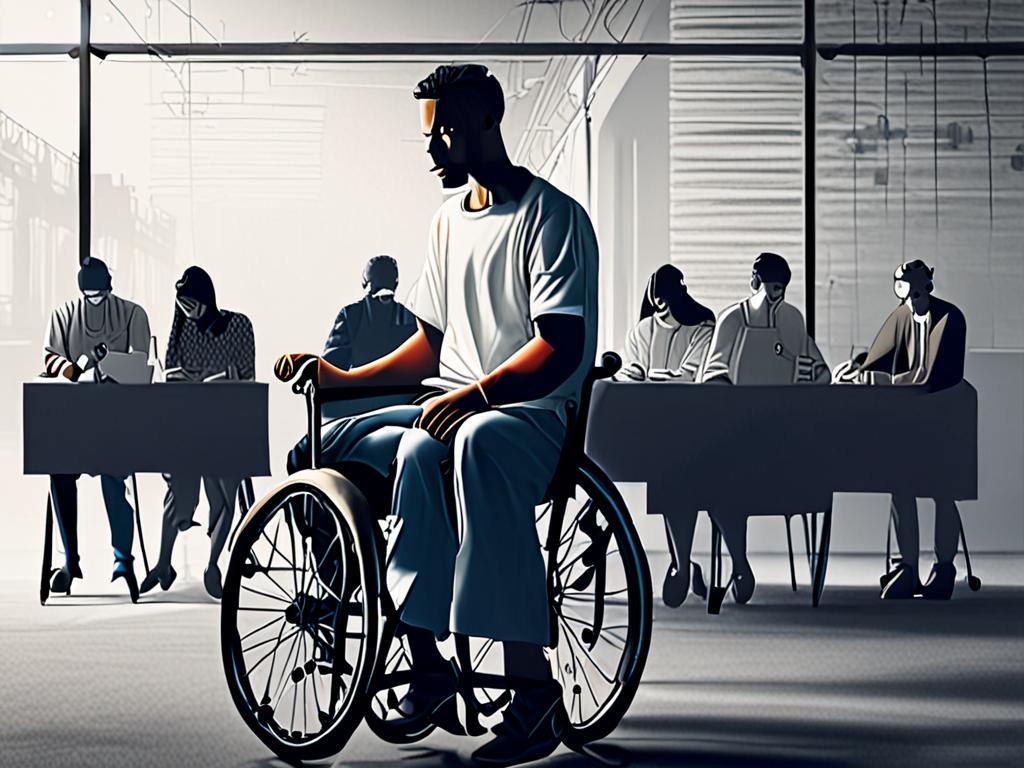
## Cultivating Equity: What Disability Justice Truly Means in a Pandemic
The arrival of a global pandemic often casts a stark light on the inherent vulnerabilities and systemic inequities within societies. For disabled individuals and communities, the COVID-19 crisis was not merely an inconvenience but a profound exposure of long-standing ableist structures, threatening lives and well-being on an unprecedented scale. Beyond the immediate health risks, the pandemic illuminated how existing systems often devalue disabled lives and fail to incorporate their needs into emergency planning and response. This necessitates a deeper inquiry into what true “disability justice” looks like during such an upheaval – a framework that moves beyond mere accessibility to advocate for collective liberation, interdependence, and the inherent worth of every individual. It’s about building a world where crisis doesn’t automatically mean erasure for disabled people, but rather a robust, inclusive, and equitable response that prioritizes their agency and survival.
## Understanding Disability Justice in a Crisis Context
Disability justice is more than just equal access or accommodations; it’s a transformative framework that centers the experiences and leadership of disabled people, particularly those at the intersections of race, class, gender, and other identities. During a pandemic, this framework demands a fundamental shift in how societies prepare for, respond to, and recover from widespread crises. It recognizes that disabled people are not a monolithic group, and their diverse needs must be met with nuanced, proactive, and person-centered solutions. A disability justice approach during a pandemic acknowledges that interdependence is a strength, not a weakness, and that collective care is essential for the survival and flourishing of all.
### Beyond Mere Accommodation: Proactive Inclusion
Traditionally, discussions around disability often revolve around retrofitting existing systems with accommodations. Disability justice, however, insists on proactive, “born accessible” design and planning. In a pandemic, this means:
* **Integrated Planning:** Disabled individuals and organizations must be at the decision-making tables *before* a crisis hits, shaping policies on everything from vaccine distribution to emergency communication protocols. Their lived experience is invaluable expertise.
* **Resource Allocation with Equity:** Ensuring that resources – medical, financial, social – are distributed equitably, accounting for systemic barriers that might prevent disabled people from accessing them. This means targeted outreach and support, not just general announcements.
## Pillars of Disability Justice in Pandemic Response
Implementing disability justice during a pandemic requires a multi-faceted approach, addressing key areas where systemic ableism typically manifests.
### Healthcare Access and Non-Discrimination
One of the most critical aspects of pandemic response is healthcare, and here, disability justice demands uncompromising equity. The distressing reality of some early pandemic triage protocols, which implicitly or explicitly devalued the lives of disabled individuals, highlighted a severe failure of justice.
* **Elimination of Discriminatory Triage:** Absolutely no rationing of life-sustaining treatment based on disability, perceived quality of life, or pre-existing conditions. Every person has an equal right to receive care. This requires explicit policy directives and training for medical staff.
* **Guaranteed Essential Support:** For many disabled people, the presence of a personal assistant, caregiver, or support person is medically necessary. Blanket visitor bans in hospitals or care facilities must be overridden for essential support persons, who