There are shadows that creep silently, not with the roar of a storm, but with the insidious whisper of a forgotten ailment. Across the vibrant landscapes of Africa, a health crisis is quietly unfolding, one that challenges our perceptions and demands our profound attention. It is the escalating burden of diabetes in Africa, a condition increasingly claiming lives, now rivalling the very infectious diseases we have long feared. This silent epidemic, often overlooked and unchecked, is reshaping destinies, leaving a trail of suffering in its wake and casting a long, often unseen, shadow over countless communities. How do we illuminate what remains hidden in plain sight?
The Silent Shadow: Diabetes’s Evolving Face in Africa
For generations, the continent has grappled with the visible scourges of malaria, HIV, and tuberculosis, their impacts stark and undeniable, demanding immediate and visible interventions. Yet, beneath this familiar struggle, a different kind of threat has been steadily gathering momentum, one less discussed but equally devastating in its quiet progression. Diabetes, a chronic metabolic disorder, is no longer a disease of affluence alone; it is a universal challenge, deepening its roots in communities least equipped to confront its complexities and long-term demands.
The numbers speak with a chilling clarity, echoing the quiet suffering of millions who battle this condition in silence. Deaths attributed to this complex condition are now escalating, beginning to mirror the grim statistics once reserved for infectious threats that commanded global attention. This shift compels us to re-evaluate our public health priorities, recognizing that the silent epidemic of high blood sugar is a formidable adversary, demanding the same urgency and resources as more overt crises. It is a stark reminder that health landscapes are ever-shifting, and our vigilance must evolve alongside them, lest we overlook the silent shadows that grow long across the land.
A Hunger Within: Malnutrition’s Unseen Link to Diabetes
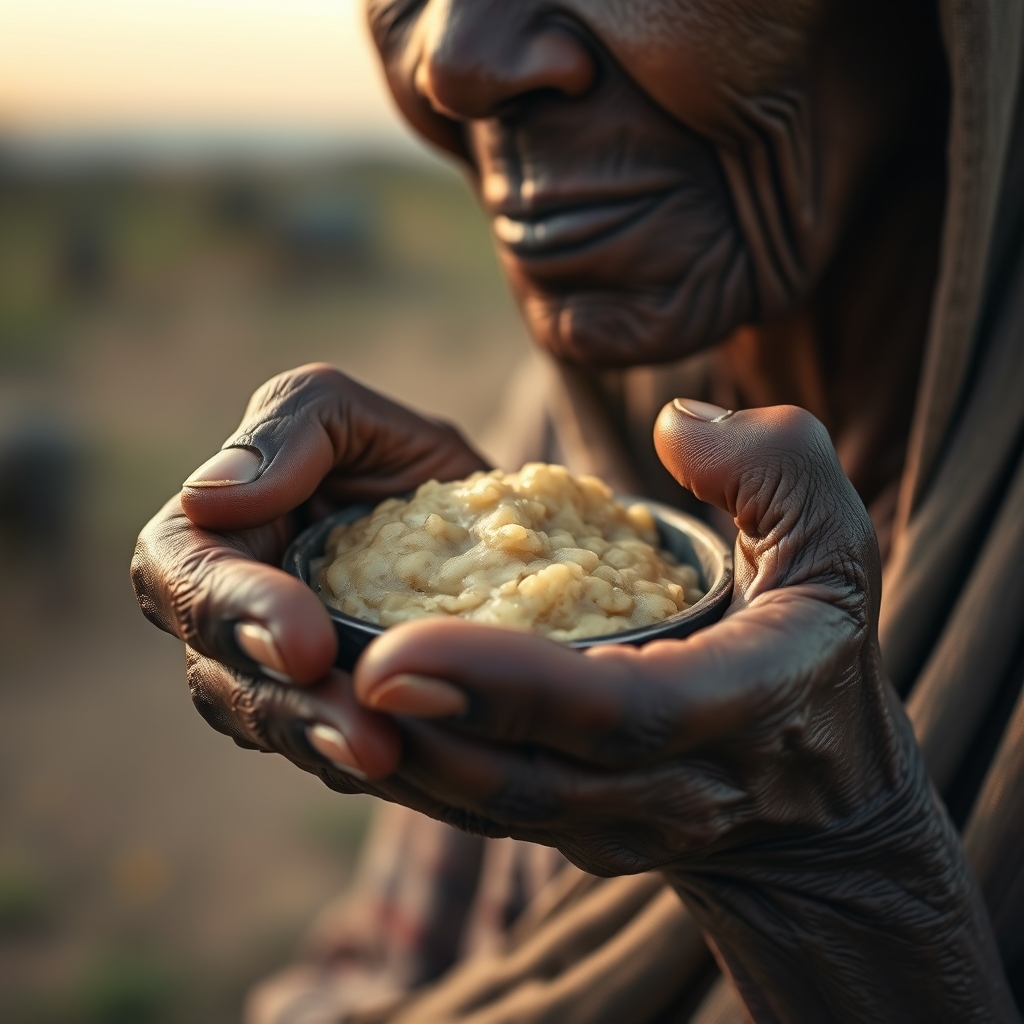
Perhaps the most poignant and heartbreaking facet of this emerging crisis is the revelation of a new, insidious form of diabetes, tragically intertwined with malnutrition. Imagine the cruel irony: a body starved of essential nutrients, navigating periods of scarcity and feast, yet simultaneously succumbing to a disease often associated with overabundance and dietary excess. This paradox paints a stark picture of vulnerability, where the very act of survival, the desperate measures to sustain life, can inadvertently lay the groundwork for a future ailment, a metabolic imbalance that quietly takes hold.
This unique manifestation underscores the profound interconnectedness of poverty, nutrition, and public health, revealing a vicious cycle. For those living on the margins, where food security is a daily battle, where meals are uncertain and often nutritionally deficient, the body’s delicate systems are profoundly compromised. Such conditions make them uniquely susceptible to conditions like this malnutrition-linked diabetes, transforming the struggle for sustenance into a precursor for chronic illness. It is a silent plea from the most vulnerable, a testament to the deep-seated inequalities that plague our world, demanding empathy and systemic change.
The Unseen Struggle: Barriers to Screening and Care
The tragedy deepens when we consider the profound lack of resources available for those afflicted, especially in remote or impoverished regions. For countless individuals across the continent, the simple acts of screening and diagnosis remain an unattainable luxury, a distant whisper of possibility. How can one seek care for a condition that remains an unknown entity, a phantom pain, when even basic necessities like clean water or a consistent meal are scarce? The path to wellness is obstructed by formidable barriers, from geographical distance to prohibitive costs, and a dire shortage of trained healthcare professionals.
Even for those fortunate enough to receive a diagnosis, the journey towards managing this chronic condition is fraught with challenges that test the limits of human endurance. Access to essential medications, regular monitoring, and vital health education is often a distant dream, leaving individuals to navigate a complex illness with minimal support. This systemic neglect creates a cycle of suffering, where preventable complications—blindness, kidney failure, amputations—become inevitable realities, further burdening already fragile healthcare systems and shattering individual lives and community well-being. The cost, both human and economic, is immeasurable.
Echoes of Resilience: Towards a Future of Awareness and Action
Despite the immense challenges that loom large over the continent, a quiet strength resonates within communities, an enduring spirit that refuses to be extinguished. It is in this resilience, this unwavering determination, that hope can be found, a beacon guiding us towards a future where this silent crisis is met with informed action and collective resolve. The path forward demands a multifaceted approach, one that intertwines compassion with practical solutions, awareness with tangible support, and policy with grassroots engagement.
Investing in accessible screening programs, particularly in underserved and rural areas, is paramount, transforming early detection from a privilege into a right. Equally crucial is the integration of comprehensive nutritional education and support, addressing the root causes of malnutrition-linked diabetes by fostering sustainable food practices and dietary understanding. This also means advocating for robust public health policies that ensure affordable access to medication, continuous monitoring, and comprehensive care for all, transforming the landscape of health equity and fostering genuine well-being across Africa. Every voice raised, every hand extended, contributes to this vital shift.
Let us not allow the quiet nature of this evolving health challenge to render it invisible, to fade into the background of more dramatic headlines. The whispers of hunger and illness demand our collective ear, urging us to look beyond the obvious and embrace a deeper understanding of holistic well-being. By fostering greater awareness, supporting robust and equitable healthcare infrastructures, and championing universal access to nourishing food and essential medical care, we can begin to turn the tide. Each small act of recognition, each step towards proactive engagement and compassionate solidarity, contributes to a future where the silent shadows recede, replaced by the enduring light of health, dignity, and flourishing for every individual across the African continent.