
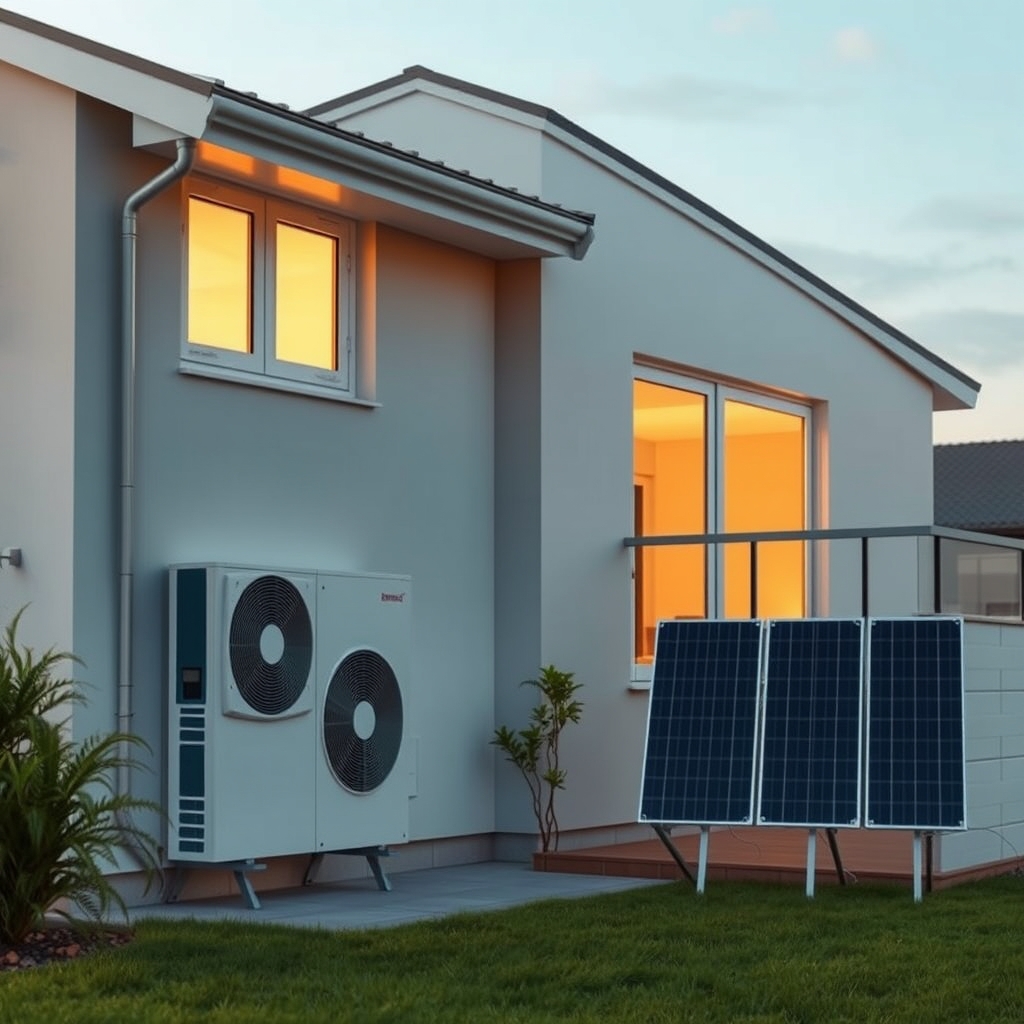
Imagine a home that not only keeps you comfortable year-round but also actively contributes to a healthier planet and slashes your energy bills. This vision is rapidly becoming a reality as innovative green technologies move from niche solutions to mainstream essentials. A significant shift is underway, with heat pumps poised to become standard in all new homes, signaling a monumental step towards sustainable living. Concurrently, the accessibility of plug-in solar panels is set to revolutionize personal energy generation, potentially appearing in everyday supermarkets within months.
This dual push towards advanced home heating and accessible solar power marks a pivotal moment in our collective journey towards decarbonization. It represents a tangible commitment to reducing our carbon footprint and fostering energy independence. For homeowners and future residents alike, these developments promise a future where comfort, cost savings, and environmental responsibility go hand-in-hand.
The Rise of Heat Pumps in New Home Construction
Heat pumps are rapidly gaining traction as the preferred heating and cooling solution for modern homes. Unlike traditional furnaces that burn fossil fuels, heat pumps simply move heat from one place to another, making them incredibly energy-efficient. They can extract heat from the air, ground, or water, even in cold climates, to warm your home, and reverse the process to cool it during warmer months.
The mandate for heat pumps in all new homes signifies a robust commitment to sustainable building practices. This move will significantly reduce reliance on natural gas and other fossil fuels for residential heating, which are major contributors to greenhouse gas emissions. Homeowners can anticipate lower energy bills due to the high efficiency of these systems, often operating at 300-400% efficiency compared to traditional heating methods.
Beyond the environmental benefits, heat pumps offer superior indoor air quality by not producing combustion byproducts. They provide consistent, comfortable temperatures throughout the year, enhancing the living experience. This integration into new builds ensures that sustainable heating and cooling solutions are foundational to future housing, setting a new standard for residential energy use.
Unlocking Solar Power with Plug-in Panels
The prospect of plug-in solar panels becoming available in supermarkets is a game-changer for personal energy generation. These innovative panels simplify the process of harnessing solar energy, making it accessible to a much wider audience. Unlike complex rooftop solar installations that require professional setup, plug-in panels are designed for straightforward, DIY deployment, often connecting directly to a standard wall socket.
This ease of installation democratizes solar power, empowering renters and homeowners who might not have the resources or permission for traditional systems. Imagine purchasing a panel or two, setting them up on a balcony or in a garden, and immediately seeing a reduction in your electricity bill. This accessibility removes significant barriers to entry, allowing more individuals to contribute to a cleaner energy grid.
Plug-in solar technology is ideal for offsetting a portion of household electricity consumption, particularly for appliances that run continuously. While not designed to power an entire home, they offer a tangible step towards energy independence and reduced reliance on grid power. This movement towards consumer-friendly solar solutions is poised to accelerate the adoption of renewable energy at the micro-level, fostering a more distributed and resilient energy system.
A Greener Future for Every Household
The combined impact of widespread heat pump adoption and accessible plug-in solar panels paints a vivid picture of a greener future. New homes will be inherently more energy-efficient and environmentally friendly from day one, equipped with advanced heating and cooling systems. Existing homes and apartments will have an unprecedented opportunity to embrace solar power with minimal effort and investment.
These green tech drives are not just about reducing carbon emissions; they’re about empowering individuals with greater control over their energy consumption and costs. As these technologies become more prevalent, we can expect a significant shift in energy demand patterns, lessening the strain on conventional power grids. This evolution supports the broader goal of achieving net-zero emissions and building sustainable communities.
Moreover, the increased availability and affordability of these solutions will spur further innovation in smart home technology and energy management. We’re moving towards a future where homes are active participants in the energy ecosystem, intelligently managing their consumption and generation. This holistic approach to residential energy marks a pivotal moment in our global energy transition.
Practical Steps Towards Sustainable Living
For those looking to embrace these advancements, understanding the options is the first step. If you’re building a new home, inquire about the heat pump systems being installed and their specific efficiency ratings. For existing homeowners, consider upgrading to a heat pump when your current heating system reaches the end of its life, exploring available incentives and grants.
Keep an eye out for plug-in solar panels as they hit supermarket shelves and online retailers. Research different models, their power output, and compatibility with your home’s electrical system. Even a small plug-in array can make a noticeable difference in your energy bill and personal carbon footprint. These accessible technologies make sustainable choices easier than ever before.
The integration of heat pumps into new homes and the rise of accessible plug-in solar panels represent a transformative era for residential energy. By embracing these green technologies, we collectively move towards a future of lower energy bills, cleaner air, and a more resilient planet. Taking action today, whether through building choices or simple installations, empowers every household to be a part of this vital energy transition and contribute meaningfully to a sustainable tomorrow.