## The Unbroken Spirit: First Nations Women at the Forefront of Land Protection
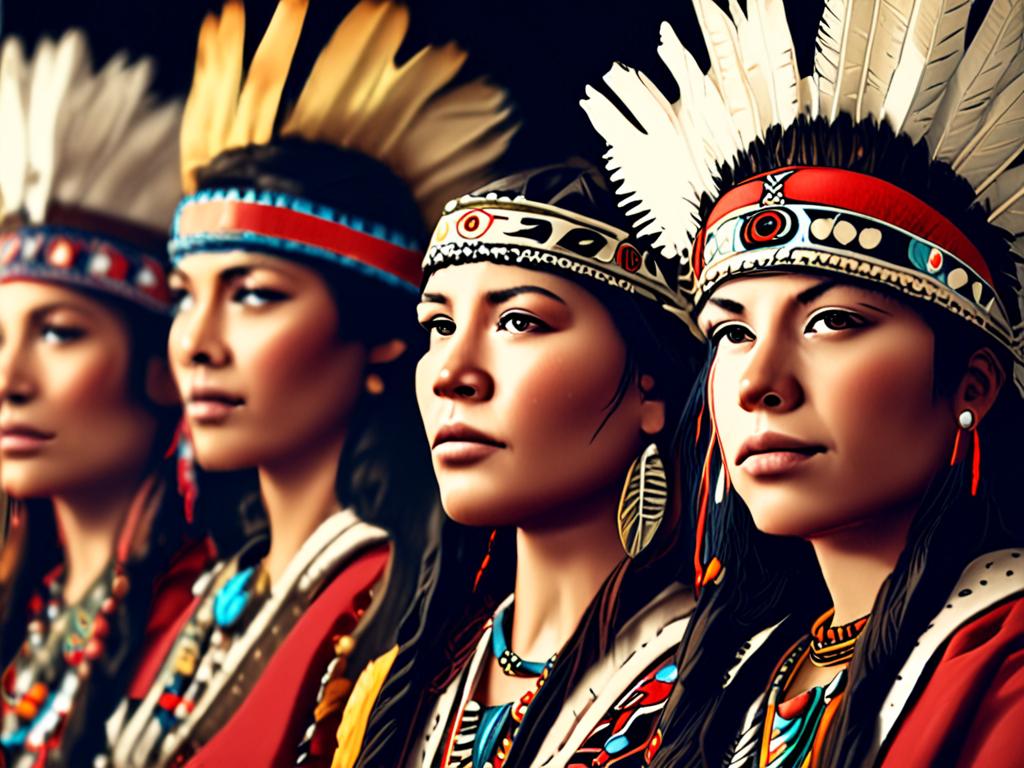
The land is more than just soil and trees; it is memory, identity, and the very blueprint of existence for First Nations peoples. For generations, Indigenous communities have maintained an intricate, sacred relationship with their ancestral territories, a bond often misunderstood or wilfully ignored by colonial systems. Yet, even in the face of relentless pressures, a powerful movement for land protection is flourishing, spearheaded by an extraordinary group of leaders: First Nations women. These women, rooted in ancient wisdom and driven by an unwavering commitment to future generations, stand as the formidable guardians of their heritage, their environment, and their sovereignty. Their fight is not merely for parcels of land, but for the soul of their nations and the ecological health of the planet.
## The Sacred Bond: Land as Identity and Legacy
For First Nations cultures, the land is alive, an ancestral being that sustains life, dictates ceremony, and enshrines history. This profound connection transcends mere ownership; it is a reciprocal relationship of respect, responsibility, and belonging. Women, in particular, often hold roles as traditional knowledge keepers, healers, and stewards of the land, embodying a matriarchal wisdom that has guided communities for millennia. They understand that the health of the land directly reflects the health of their people, and that protecting sacred sites, waterways, and forests is synonymous with protecting their cultural identity, language, and spiritual practices. The ongoing encroachment of industrial development, resource extraction, and environmental degradation poses an existential threat, severing these vital connections and imperiling a legacy that spans thousands of years. It is this deep-seated understanding that fuels their fervent activism.
## A Legacy of Resistance: From Historic Battles to Modern Frontlines
The struggle for land protection is not new; it is a continuation of resistance against colonial appropriation that began centuries ago. From the signing of treaties – often broken or disregarded – to the forced relocation and dispossession of communities, First Nations peoples have consistently fought to maintain their connection to the land. Today, this fight manifests on diverse frontlines, from remote wilderness areas threatened by logging and mining to urban green spaces facing development.
### Guardians of the Earth: Voices on the Ground
First Nations women are employing a multifaceted approach to defend their territories, blending traditional practices with contemporary advocacy:
* **Direct Action and Peaceful Protest:** Often placing their bodies on the line, women lead peaceful blockades and demonstrations to halt destructive projects. These actions, frequently undertaken on traditional territories without consent, draw national and international attention to critical environmental and human rights issues. They embody a spiritual determination, refusing to cede ground.
* **Legal Challenges and Treaty Rights:** Many women are at the forefront of intricate legal battles, navigating complex legal frameworks to assert treaty rights, inherent title, and the principle of Free, Prior, and Informed Consent (FPIC). They meticulously research historical documents, oral histories, and environmental impact assessments, transforming legal precedents and shaping national policy.
* **Policy Advocacy and Political Engagement:** From community council chambers to national parliamentary committees and international forums, First Nations women are powerful advocates. They lobby governments, educate policymakers, and demand adherence to UNDRIP (United Nations Declaration on the Rights of Indigenous Peoples), ensuring Indigenous voices are heard in decisions impacting their lands and futures.
* **Community Organizing and Cultural Revitalization:** Beyond direct confrontation, women are instrumental in strengthening their communities from within. They lead initiatives for cultural revitalization, teaching traditional languages, ceremonies, and land-based skills to younger generations. They establish food sovereignty projects, traditional healing camps, and educational programs that reconnect people to their land and empower them to protect it.
### The Intersectional Challenges Faced
The commitment of these women is often met with significant obstacles. They frequently face disproportionate levels of gender-based violence, harassment, and intimidation, both online and on the frontlines. Systemic racism within legal and political systems, coupled with a lack of adequate resources, exacerbates these challenges. Yet, their resilience shines through, transforming adversity into unwavering resolve.
## The Power of Matriarchy: Leadership and Traditional Knowledge
In many First Nations societies, women historically held, and continue to hold, immense power and influence. They are the matriarchs, the decision-makers, and the keepers of traditional ecological knowledge (TEK). This knowledge, accumulated over millennia through intimate