## Guardians of the Earth: The Unwavering Resolve of First Nations Women Protecting Ancestral Lands
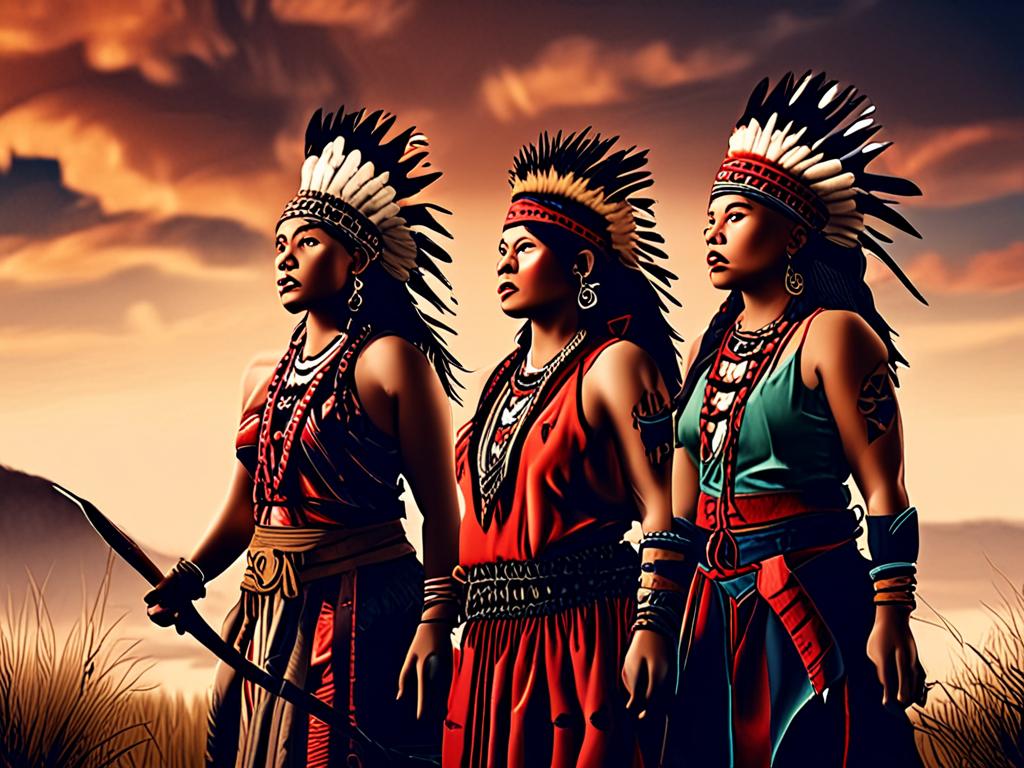
The land breathes, not merely as soil and rock, but as the enduring spirit of a people. For First Nations communities across the globe, land is identity, an intricate tapestry woven from history, ceremony, language, and future generations. It is the classroom, the pharmacy, the spiritual sanctuary, and the economic foundation. Yet, this profound connection has been challenged for centuries by colonial expansion, resource extraction, and systemic disregard. In the face of these relentless pressures, a powerful and unwavering force has risen to the forefront: First Nations women. These matriarchs, elders, youth, and activists are not just defending property; they are safeguarding entire cultures, ecologies, and the very essence of their existence. Their fight is a testament to resilience, a beacon of hope, and a critical lesson in true stewardship for us all.
## The Sacred Bond: Land as Identity and Legacy
For Indigenous peoples, the concept of land extends far beyond mere ownership or resource extraction. It embodies a complex web of spiritual, cultural, and genealogical connections. Ancestral territories are living entities, imbued with the stories of creation, the wisdom of ancestors, and the practices that sustain life. This profound relationship means that every tree, river, mountain, and sacred site holds immense significance, representing not just a physical space but a repository of knowledge, a source of healing, and a guide for living in balance with the natural world.
The land dictates social structures, informs traditional laws, and provides the materials for cultural expression—from regalia to ceremonial tools. Its health directly impacts the health of the community; its degradation mirrors a wound in the collective spirit. Therefore, defending the land is synonymous with defending one’s identity, one’s past, and one’s children’s future. It is a sacred duty passed down through generations, making the struggle for land rights not just a political or economic battle, but a deeply spiritual and existential one.
## A Legacy of Leadership: First Nations Women at the Forefront
Historically, First Nations women held pivotal roles within their communities, often as decision-makers, healers, knowledge keepers, and resource managers. Matriarchal systems in many Indigenous cultures recognized women’s inherent wisdom and their central role in community well-being and governance. Colonialism, however, systematically undermined these roles, imposing patriarchal structures and attempting to erase Indigenous women’s authority and contributions.
Today, there is a powerful resurgence of Indigenous women reclaiming and reasserting their traditional leadership. They stand as the inheritors of profound ancestral knowledge and an innate connection to the land, often being the first to observe environmental changes and feel the direct impacts of land degradation on their families and communities. Their perspective is crucial:
* **Holistic Understanding:** Women frequently possess a holistic understanding of ecosystem health, traditional plant medicines, and the intergenerational impacts of environmental destruction.
* **Community Well-being:** As caregivers and nurturers, their advocacy is intrinsically linked