Imagine the excitement of a long-awaited journey, the anticipation of new horizons, or the relief of returning home to loved ones. Now, picture that dream dissolving into a frustrating reality of seemingly endless lines, missed connections, and an palpable sense of disarray at the very gateways to our adventures. This isn’t just a bad travel day; it’s a symptom of a deeper challenge facing the **US air travel system**, a crisis fueled by the incredible strain on our essential airport personnel.
The very fabric of our nation’s aviation infrastructure is under immense pressure, and at its heart are the dedicated individuals working tirelessly, often without the fundamental assurance of a paycheck. Their commitment keeps our skies safe, yet their personal sacrifices are creating a ripple effect that impacts every traveler and threatens the efficiency of an industry vital to our economy and way of life.
The Unseen Crisis: Unpaid Guardians of Our Skies
Behind every security checkpoint, every bag scan, and every boarding pass check stands a Transportation Security Administration (TSA) agent. These are the unsung heroes, the front-line defense of our airports, ensuring the safety and security of millions of passengers daily. Yet, during periods of government shutdowns, these crucial employees often find themselves working without the promise of immediate payment.
The dedication required to perform such a high-stakes job, all while facing the personal anguish of unpaid wages and mounting bills, is nothing short of extraordinary. This financial precarity directly impacts morale and can lead to staffing shortages as agents seek alternative employment or struggle to manage their daily lives. The very foundation of our **airport security** is being tested by these unsustainable conditions.
The Human Cost of Uncertainty
Consider the immense pressure on these individuals. They arrive for their shifts, knowing their families depend on their income, yet unsure when their next paycheck will arrive. This emotional and financial stress is a heavy burden, one that no essential worker should have to bear.
Such an environment creates a vulnerable system. While their professionalism remains unwavering, the inherent risks of a demoralized or understaffed workforce cannot be ignored. The integrity of our **aviation industry** relies on the stability and well-being of its people.
Navigating the Chaos: Impact on Passenger Experience
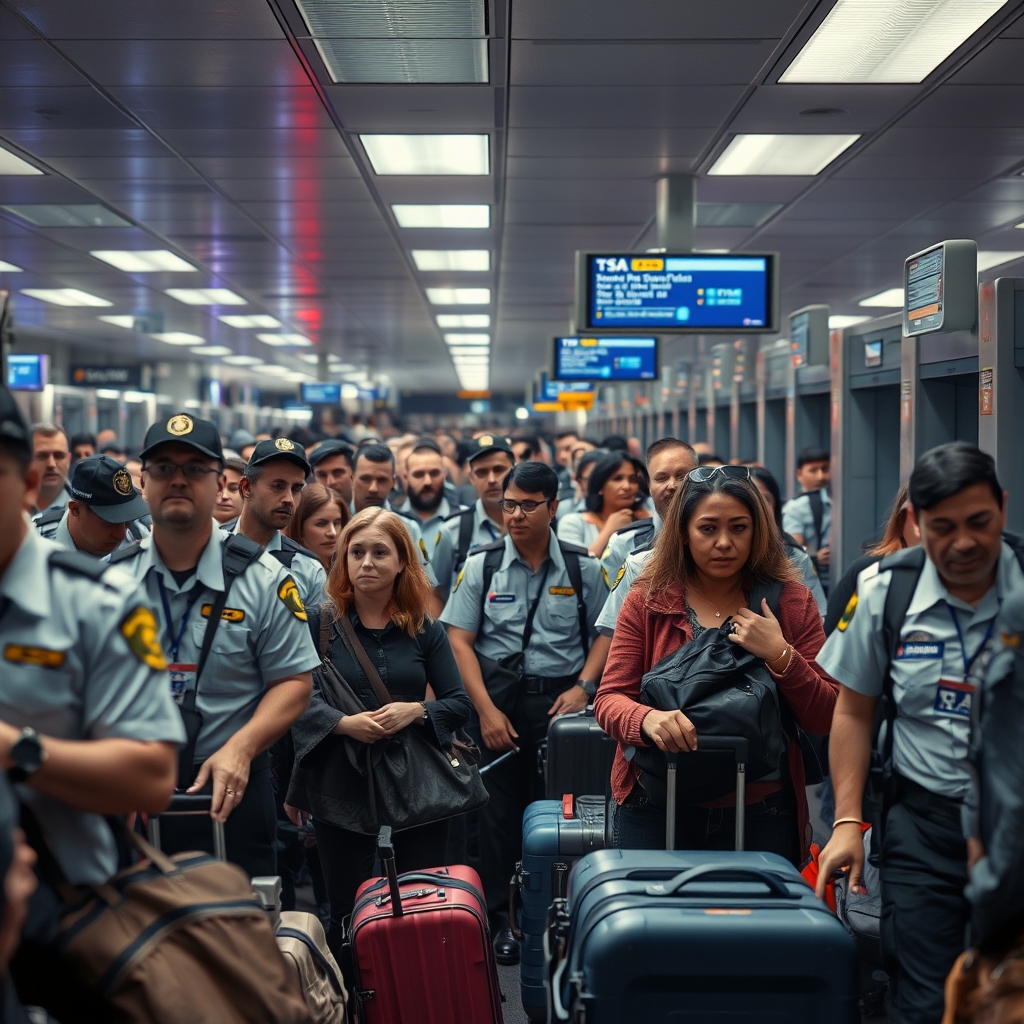
The direct consequences of this crisis are immediately felt by anyone attempting to travel. Passengers are encountering unprecedented **long lines** stretching through terminals, turning what should be a smooth process into a grueling test of patience. Security checkpoints, the critical bottleneck in airport operations, become overwhelmed.
Flight delays and even missed connections become an unfortunate reality for many, leading to significant stress and disruption of travel plans. The dream of a seamless journey quickly dissipates amidst the palpable tension and frustration that permeates the air. This erosion of the **passenger experience** has far-reaching implications.
Beyond the Checkpoint: Ripple Effects Across Aviation
The challenges at security checkpoints don’t exist in a vacuum. The ripple effect extends across the entire aviation ecosystem. Airlines face increased costs due to delays, missed flights impact their schedules and customer satisfaction, and the overall efficiency of airport operations grinds to a halt.
Moreover, the perception of a faltering **air travel system** can deter tourism and business travel, impacting local economies that rely heavily on robust air connectivity. It’s a complex web where a weakness in one area quickly compromises the strength of the whole.
A Call for Action: Safeguarding Our Air Travel Future
Addressing the current crisis within our air travel system demands more than just temporary fixes; it requires a fundamental commitment to the stability and support of our essential workers. Ensuring consistent funding and fair compensation for TSA agents is paramount to maintaining the integrity of our **national security** and the efficiency of our travel infrastructure.
Investing in these dedicated individuals is not merely an expense; it is an investment in our collective safety, our economic vitality, and the peace of mind of every traveler. A stable, well-supported workforce is the bedrock of a resilient and reliable **aviation system** capable of handling the demands of modern travel.
The path forward requires proactive solutions that prevent future disruptions and prioritize the well-being of those who tirelessly safeguard our skies. By recognizing the invaluable contributions of our airport personnel and ensuring their stability, we can collectively work towards a future where air travel remains a symbol of adventure and connection, free from unnecessary turmoil and uncertainty.