
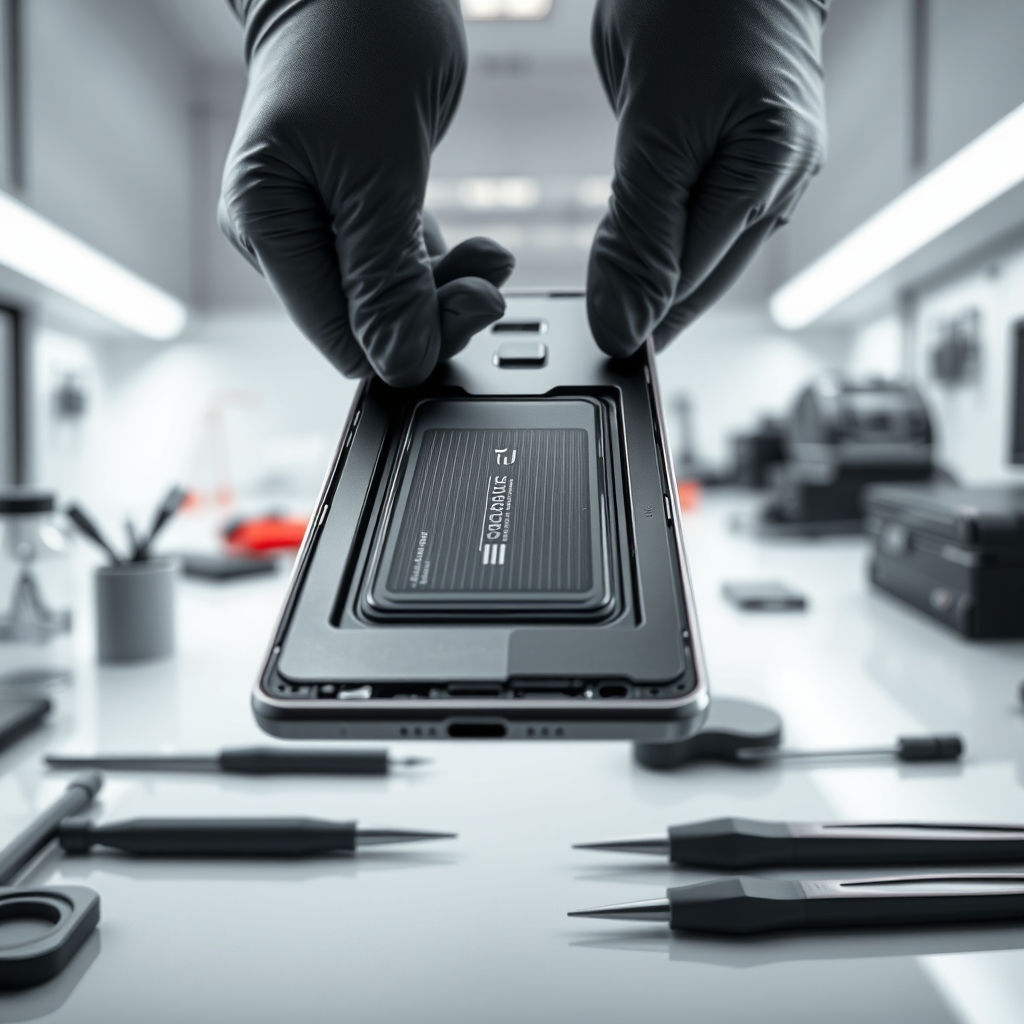
The European Union has cast a decisive gauntlet before the global consumer electronics industry: integrate easily replaceable batteries into all new devices. This mandate, far from a mere technical tweak, represents a fundamental challenge to decades of established product design philosophy and operational paradigms. It forces an industry long optimized for sleek aesthetics and planned obsolescence to re-evaluate its core principles, demanding a pivot towards genuine sustainability and user empowerment.
This legislative intervention is not simply an incremental step in repairability; it is a profound reorientation. Manufacturers, having made superficial concessions to repair in recent years, now face a requirement that necessitates significant, potentially costly, architectural redesigns. The era of hermetically sealed, disposable gadgets is drawing to a close, ushering in an uncomfortable but necessary reckoning for device makers worldwide.
The Mandate for Replaceable Batteries: A Paradigm Shift
The EU’s directive on easily replaceable batteries targets the very heart of consumer electronics’ lifecycle. Its intent is clear: to extend product longevity, reduce electronic waste, and foster a more circular economy. By mandating that users or independent repair shops can readily swap out a depleted power source, the regulation directly combats the pervasive issue of premature device obsolescence driven by battery degradation.
This legislative move elevates sustainability from a marketing buzzword to a non-negotiable design specification. It compels companies to move beyond superficial eco-friendly claims and embed genuine durability and maintainability into their products. The implications extend far beyond the battery itself, touching upon every component and assembly process.
Challenging Decades of Design Philosophy
For years, the industry’s pursuit of ultra-slim profiles, water resistance, and perceived premium feel has relied heavily on permanent, glued-in components. Devices have been engineered as monolithic units, making internal access and component replacement an arduous, often destructive, task. The new EU regulations directly conflict with this deeply entrenched design ethos.
Manufacturers must now reconcile the demands for sleekness and durability with the imperative for user-serviceability. This requires innovative engineering solutions that allow for easy battery removal without compromising structural integrity or key features. The aesthetic trade-offs, potential cost increases, and the sheer complexity of this design pivot cannot be understated; it’s a complete re-imagining, not a minor adjustment.
Operational Hurdles and Supply Chain Repercussions
The shift to easily replaceable batteries introduces significant operational challenges throughout the manufacturing pipeline. Re-tooling production lines, sourcing new materials, and implementing different assembly techniques will incur substantial costs. Furthermore, the logistical complexities of ensuring a global supply of standardized, accessible replacement batteries present a formidable hurdle.
Beyond the factory floor, companies must also consider the after-sales infrastructure. This includes establishing robust channels for distributing replacement parts and potentially supporting a broader network of authorized repair centers. The economic burden, particularly for smaller manufacturers, could be significant, demanding strategic foresight and considerable investment to navigate effectively.
The Consumer’s Role in the Repairability Revolution
While the immediate impact falls on manufacturers, the long-term benefits are poised to empower consumers significantly. The ability to easily replace a battery transforms a device from a disposable commodity into a long-term investment, reducing the financial pressure to upgrade prematurely. This shift fosters a culture of repair and reuse, aligning consumer behavior with environmental stewardship.
Moreover, it could stimulate a new market for third-party repair services and accessories, potentially driving down repair costs and increasing overall device longevity. This consumer-centric approach challenges the traditional manufacturer-controlled upgrade cycle, giving users greater control over their technology’s lifespan and environmental footprint.
Beyond Compliance: Strategic Imperatives for Manufacturers
Simply meeting the minimum requirements of the EU directive will not suffice for long-term market leadership. Forward-thinking manufacturers will view this as an opportunity for innovation and differentiation. Developing elegant, modular designs that seamlessly integrate repairability can become a powerful competitive advantage, appealing to a growing segment of environmentally conscious consumers.
Companies that proactively embrace this shift, investing in sustainable design practices and transparent repair pathways, stand to redefine their brand identity. This isn’t merely about regulatory adherence; it’s about anticipating the future demands of a global market increasingly prioritizing sustainability and product longevity. The ability to adapt and innovate in this new landscape will determine who thrives and who merely survives.
The EU’s mandate for easily replaceable batteries is more than just a regulatory imposition; it is a catalyst for systemic change within the consumer electronics industry. It compels a critical re-evaluation of design principles, supply chain logistics, and customer engagement. For companies to navigate this evolving landscape successfully, a strategic pivot towards genuine sustainability and user empowerment is no longer optional but essential for future viability and market relevance. Proactive innovation in modular design and robust repair ecosystems will distinguish leaders from laggards in this new era of responsible technology.