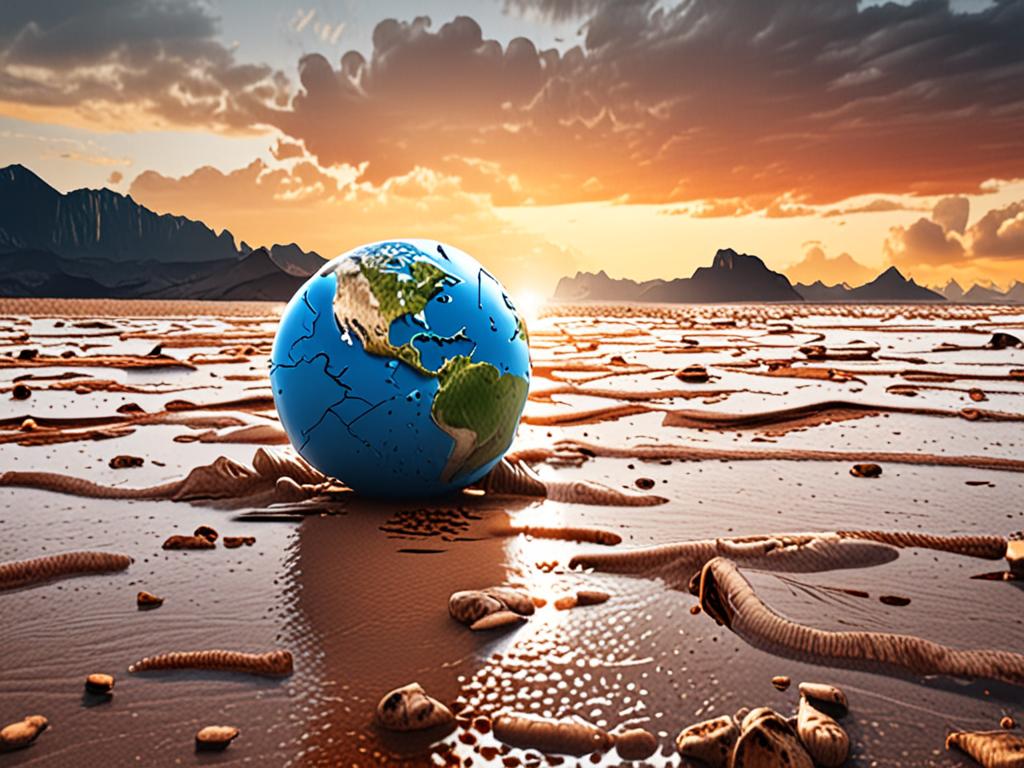
The planet is sending us an unmistakable message, and its side effects are becoming increasingly dire and undeniable. Climate change, once a distant threat, has morphed into a present reality, manifesting through a myriad of profound and often devastating consequences across every facet of our world. Understanding these multifaceted impacts is not just an academic exercise; it’s crucial for grasping the urgency of our situation and the imperative for immediate action.
## Understanding the Climate Crisis: A Brief Overview
At its core, climate change refers to long-term shifts in temperatures and weather patterns. While some of these shifts are natural, the current accelerated rate of change is overwhelmingly attributed to human activities, primarily the burning of fossil fuels (coal, oil, and gas). This process releases greenhouse gases into the atmosphere, trapping heat and leading to a phenomenon known as global warming. The accumulation of these gases has tipped the Earth’s delicate climatic balance, ushering in an era where the **side effects of climate change** are felt globally, from the poles to the equator.
## The Immediate and Visible Side Effects
The most apparent **side effects of climate change** are often those we witness in our daily news feeds – dramatic shifts in weather patterns and the transformation of our physical environment.
### Extreme Weather Events
One of the most immediate and dangerous **side effects of climate change** is the increasing frequency and intensity of extreme weather.
* **Heatwaves:** Record-breaking temperatures are becoming more common and prolonged, leading to increased heat-related illnesses and deaths, agricultural losses, and heightened fire risks.
* **Droughts:** Arid regions are experiencing longer and more severe droughts, exacerbating water scarcity, impacting food production, and fueling wildfires.
* **Floods:** Conversely, other regions are grappling with more intense rainfall events, leading to devastating flash floods, riverine overflows, and urban inundation, displacing communities and destroying infrastructure.
* **Intensified Storms:** Warmer ocean temperatures provide more energy for tropical storms, hurricanes, and typhoons, making them stronger, wetter, and more destructive upon landfall.
### Rising Sea Levels
The expansion of warming ocean water and the melting of glaciers and ice sheets are contributing to a steady rise in global sea levels. This has severe implications for coastal communities:
* **Coastal Erosion:** Higher sea levels accelerate the erosion of beaches and coastlines.
* **Increased Flooding:** Low-lying coastal areas face more frequent and severe flooding, even during minor storm surges.
* **Saltwater Intrusion:** Seawater contaminates freshwater aquifers, rendering them unusable for drinking and irrigation.
* **Displacement:** Millions of people living in vulnerable coastal zones face the prospect of displacement as their homes and livelihoods become uninhabitable.
## Ecological and Biodiversity Side Effects
The natural world, with its intricate web of life, is particularly vulnerable to the **side effects of climate change**.
### Habitat Loss and Species Extinction
As temperatures shift and extreme weather events intensify, many species struggle to adapt or migrate quickly enough.
* **Coral Bleaching:** Rising ocean temperatures cause corals to expel their algae, leading to widespread bleaching and the collapse of vital reef ecosystems that support a quarter of all marine life.
* **Polar Ice Melt:** Iconic species like polar bears, dependent on sea ice for hunting and breeding, face a direct threat to their survival as their habitats disappear.
* **Changes in Migration Patterns:** Birds, insects, and marine life are altering their migration routes and breeding cycles, disrupting delicate ecological balances.
### Disruption of Ecosystems
The stability of entire ecosystems is being undermined.
* **Forest Fires:** Drier conditions and prolonged heatwaves contribute to more frequent and intense wildfires, devastating forests, releasing vast amounts of carbon, and destroying critical habitats.
* **Ocean Acidification:** The absorption of excess carbon dioxide by the oceans leads to increased acidity, making it harder for shell-forming organisms like oysters, clams, and corals to build and maintain their shells, threatening the base of the marine food web.
## Human Health Side Effects
The **side effects of climate change** extend directly to human health, posing new and exacerbated risks.
* **Respiratory Issues:** Increased air pollution from wildfires and longer pollen seasons due to warmer temperatures worsen