
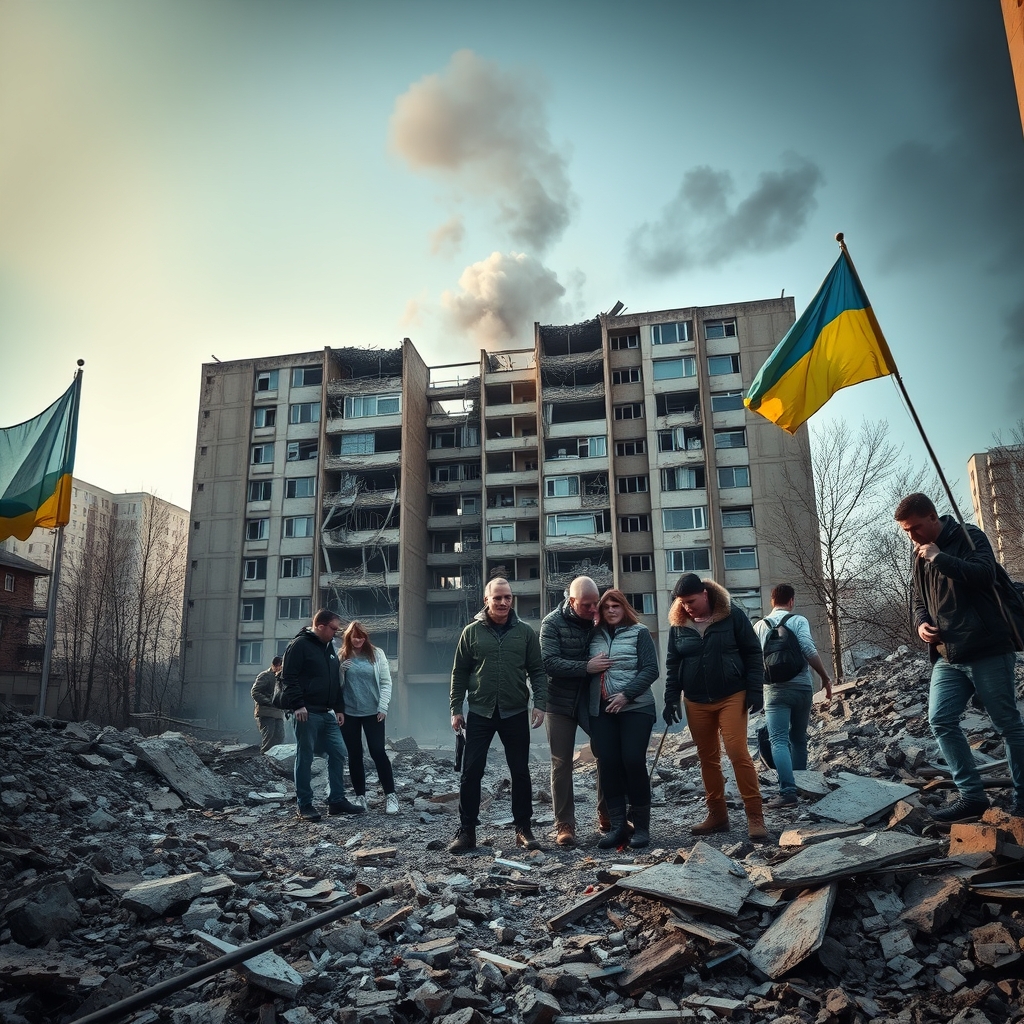
The sudden, jarring sound of an approaching drone, followed by the deafening explosion that rips through the air, has become an all too familiar nightmare for countless residents across Ukraine. Just recently, the world watched in horror as video footage captured the precise, terrifying moment a Russian drone hit an apartment building, a stark reminder of the relentless aerial assaults that continue to plague the nation. This particular *Ukraine drone strike* was part of what was chillingly termed an “Easter escalation,” a massive round of deadly air strikes unleashed across the country, turning a period traditionally associated with renewal and hope into one of profound grief and destruction.
The images of shattered windows, crumbling concrete, and the dust-choked air tell only a fraction of the story. Behind each broken wall lies a life disrupted, a family displaced, a community scarred. This isn’t merely about infrastructure damage; it’s about the profound human cost, the psychological trauma inflicted upon those who live under the constant threat of the skies. The “Easter escalation” underscores a brutal reality: even during sacred holidays, the conflict shows no signs of abating, continuing its devastating march across Ukrainian towns and cities.
The Echoes of an Escalation: When Holidays Become Horrors
The timing of these intensified attacks, coinciding with Easter, adds another layer of cruelty to the already grim landscape of the conflict. For many, holidays are a time for reflection, family gatherings, and peace. Yet, for Ukrainians, this period was marked by a surge in missile and drone attacks, transforming solemn observances into desperate struggles for survival. The term “Easter escalation” itself is a grim oxymoron, highlighting the tragic irony of violence erupting during a time meant for reverence.
Across various regions, air raid sirens wailed incessantly, forcing families into shelters, interrupting meals, and shattering any semblance of normalcy. The deliberate targeting, or at least the widespread impact, of these aerial bombardments on residential areas and civilian infrastructure speaks volumes about the nature of modern warfare. It’s a war that not only seeks to dismantle military capabilities but also to break the spirit of a nation by eroding its sense of security and stability.
The drones, often Shahed-type suicide drones, are not just weapons; they are instruments of terror. Their distinctive buzzing sound, often likened to a moped, announces their approach, giving residents mere moments to seek cover before impact. This psychological warfare is as damaging as the physical destruction, creating an atmosphere of chronic anxiety and hyper-vigilance that permeates daily life.
The Immediate Aftermath: Stories Etched in Rubble
When a drone slams into an apartment building, the immediate aftermath is a scene of organized chaos and desperate heroism. First responders, often volunteers alongside professional rescuers, rush to the site, sifting through the debris, searching for survivors, and aiding the injured. These are the unsung heroes who brave collapsing structures and secondary explosions, driven by an unwavering commitment to their fellow citizens.
Eyewitness accounts from those who survived such attacks paint a vivid picture of terror and disorientation. The suddenness of the blast, the disorientation of being thrown by the concussion, the overwhelming dust and smoke, and the cries for help from neighbors trapped under rubble – these are memories that will forever be etched into their minds. Many describe a profound sense of disbelief, struggling to comprehend how their homes, once symbols of safety, could be reduced to ruins in an instant.
For those who lose their homes, the path forward is daunting. Displacement becomes an immediate reality, forcing families to seek refuge with relatives, in temporary shelters, or to join the millions of internally displaced persons. The loss of personal belongings, cherished memories, and the very fabric of their lives represents a deeper wound than mere structural damage. Each *drone attack in Ukraine* creates new waves of humanitarian need.
The Broader Canvas of Conflict: Civilian Targets and International Law
The targeting of civilian areas, whether intentional or as a result of indiscriminate attacks, raises serious questions about international humanitarian law and the conduct of warfare. While military targets are legitimate in armed conflict, the widespread destruction of residential buildings, hospitals, schools, and cultural sites constitutes a grave violation of these principles. The documented instances of civilian casualties and damage to non-military infrastructure are undeniable.
The international community has largely condemned these actions, reiterating calls for adherence to the rules of war and accountability for war crimes. However, despite diplomatic efforts and sanctions, the aerial assaults persist, demonstrating a troubling disregard for global norms and human lives. The ongoing conflict in Ukraine has thus become a crucible for testing the efficacy of international institutions and the resolve of nations to uphold justice.
Expert analysis often points to the strategic aims behind such widespread attacks: to degrade Ukraine’s morale, to exhaust its air defense systems, and to create a climate of fear that might pressure its leadership into concessions. Yet, history has shown that such tactics often have the opposite effect, hardening resolve and galvanizing resistance among the populace. The resilience of the Ukrainian people in the face of such adversity has become a defining characteristic of this conflict.
Ukraine’s Air Shield: A Battle Above the Cities
Amidst the relentless aerial bombardments, Ukraine’s air defense forces stand as the nation’s vital shield. Their tireless work, often operating under immense pressure and with limited resources, is crucial in intercepting drones and missiles before they reach their intended targets. Every successful interception, every blast of an exploding drone in the sky, represents countless lives saved and vital infrastructure protected.
The international community’s support in bolstering Ukraine’s air defense capabilities has been instrumental. Advanced systems from Western allies have significantly enhanced Ukraine’s ability to detect, track, and neutralize incoming threats. Yet, the sheer volume of incoming projectiles means that no defense system can be 100% effective, and the cat-and-mouse game between attackers and defenders continues to evolve.
The ongoing need for more sophisticated air defense systems, interceptor missiles, and training for Ukrainian personnel remains a top priority. Protecting the skies above Ukrainian cities is not just a military imperative; it is a humanitarian one, directly impacting the safety and well-being of millions of civilians. The success of these defenses directly correlates with a reduction in the horrific scenes of destruction caused by a successful *Ukraine drone strike*.
The Unyielding Spirit: Resilience in the Face of Ruin
Despite the profound suffering and destruction, the spirit of the Ukrainian people remains unyielding. From the immediate aftermath of an attack, communities begin the arduous task of clearing rubble, repairing what can be salvaged, and supporting those who have lost everything. This collective effort, often fueled by an indomitable sense of national pride and mutual aid, is a powerful testament to their resilience.
Stories of bravery and compassion abound: neighbors helping neighbors, volunteers distributing aid, local businesses adapting to wartime conditions, and artists using their craft to document the struggle and inspire hope. Children, too, display remarkable fortitude, finding moments of joy and play amidst the grim realities, often drawing pictures of peace and victory.
This resilience is not merely passive endurance; it is an active, defiant stand against aggression. It manifests in the determination to rebuild, to maintain cultural identity, and to continue striving for a future free from conflict. The acts of everyday heroism, the quiet courage of ordinary people, form the bedrock of Ukraine’s resistance against the brutal realities of war and the constant threat of aerial attacks.
Looking Towards Tomorrow: Reconstruction and Justice
As the conflict grinds on, the vision of a post-war Ukraine, though distant, remains a powerful motivator. The scale of reconstruction required will be immense, demanding international cooperation and substantial financial investment. Beyond rebuilding physical infrastructure, there will be the even more challenging task of healing psychological wounds, addressing trauma, and fostering a renewed sense of security and normalcy for an entire generation.
The pursuit of justice for the victims of these attacks is also a critical component of looking towards tomorrow. Documenting war crimes, holding perpetrators accountable, and ensuring reparations for damages are essential steps for establishing lasting peace and preventing future atrocities. The international legal frameworks are being tested, and the outcome will have far-reaching implications for global security and human rights.
The ongoing struggle against relentless aerial assaults, exemplified by the heart-wrenching footage of a drone hitting an apartment, serves as a stark reminder of the war’s devastating impact. Yet, it also highlights the extraordinary courage and unwavering spirit of a nation determined to protect its sovereignty and build a brighter future. Supporting Ukraine’s defense, aiding its people, and contributing to its eventual recovery are not just acts of solidarity; they are investments in a more secure and just world for us all, ensuring that such acts of terror do not define the future but rather fuel a collective resolve for peace.